
Spending time outdoors in warm weather can be enjoyable, but it also comes with risks.
One of the most common — and often overlooked — dangers is heat exhaustion.Many people don’t recognize the early warning signs until it’s too late. However, understanding these signals can help you take action before the situation becomes serious.
What Is Heat Exhaustion?
Heat exhaustion occurs when your body overheats and struggles to cool itself down. It is usually caused by prolonged exposure to high temperatures, especially when combined with dehydration.
Unlike heat stroke, heat exhaustion develops gradually — which is why early detection is so important.
Early Signs of Heat Exhaustion You Should Watch For
1. Excessive Sweating
Sweating is your body’s natural cooling system. However, if you notice unusually heavy sweating, it may be a sign your body is working overtime to regulate temperature.
2. Dizziness or Lightheadedness
Feeling dizzy or unsteady is a clear warning sign. This often happens when dehydration begins to affect your circulation.
3. Fatigue and Weakness
If you suddenly feel tired or weak during outdoor activity, your body may be overheating and losing energy rapidly.
4. Nausea or Headaches
Heat can affect your digestive system and brain function, leading to nausea or persistent headaches.
5. Cool, Pale, or Clammy Skin
This may seem surprising, but even in hot weather, your skin can feel cool or clammy if heat exhaustion sets in.
Common Situations Where Heat Exhaustion Happens
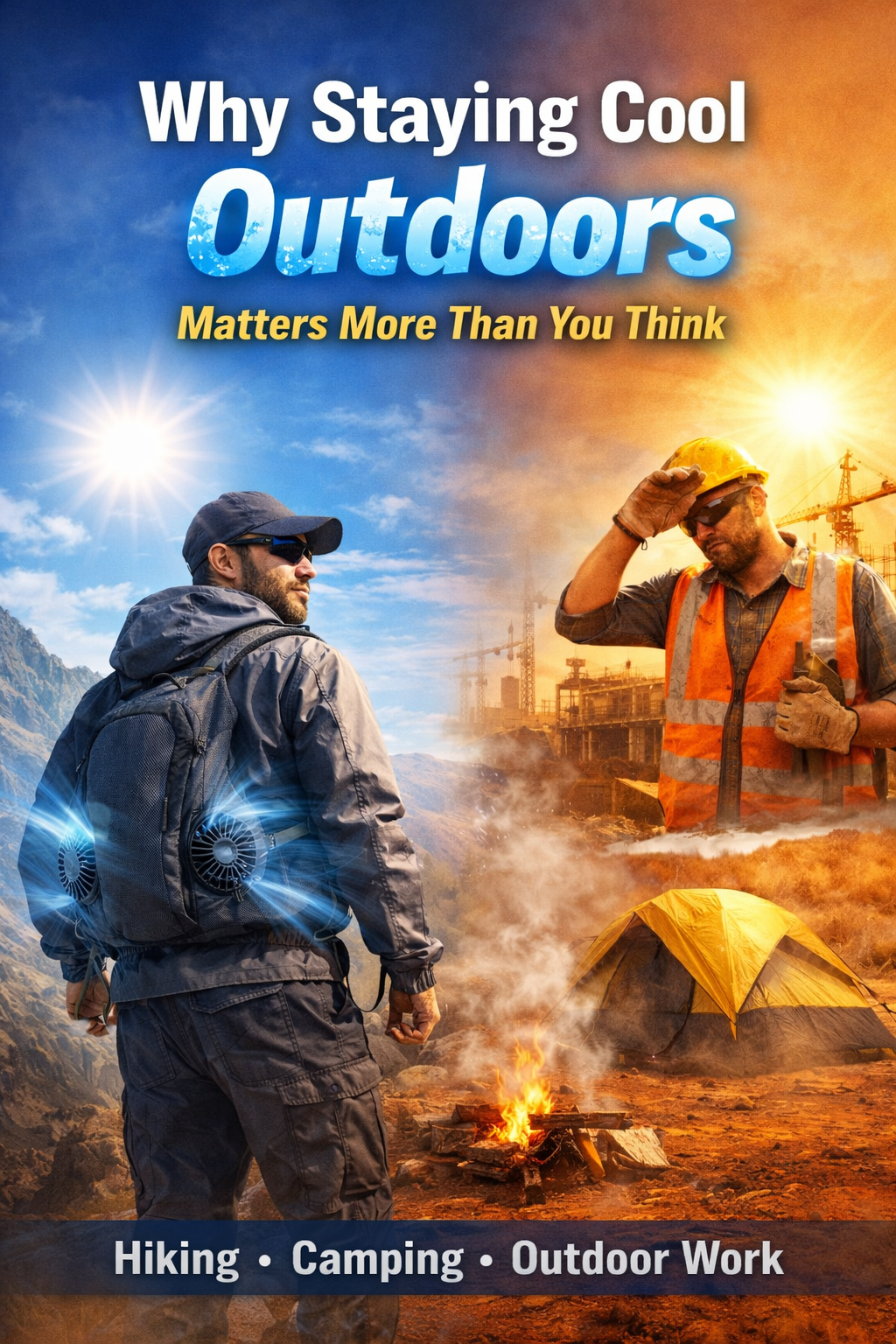
- Long hikes under direct sunlight
- Camping in hot environments
- Outdoor work (construction, delivery, maintenance)
- Sports events or festivals
These situations often involve prolonged exposure and limited cooling options.
How to Prevent Heat Exhaustion
Preventing heat exhaustion is much easier than treating it. Here are some effective strategies:
- Stay hydrated throughout the day
- Take breaks in shaded or cool areas
- Avoid peak heat hours when possible
- Wear breathable, lightweight clothing
However, in many real-world outdoor situations, these steps alone may not be enough.
Why Cooling Gear Makes a Difference
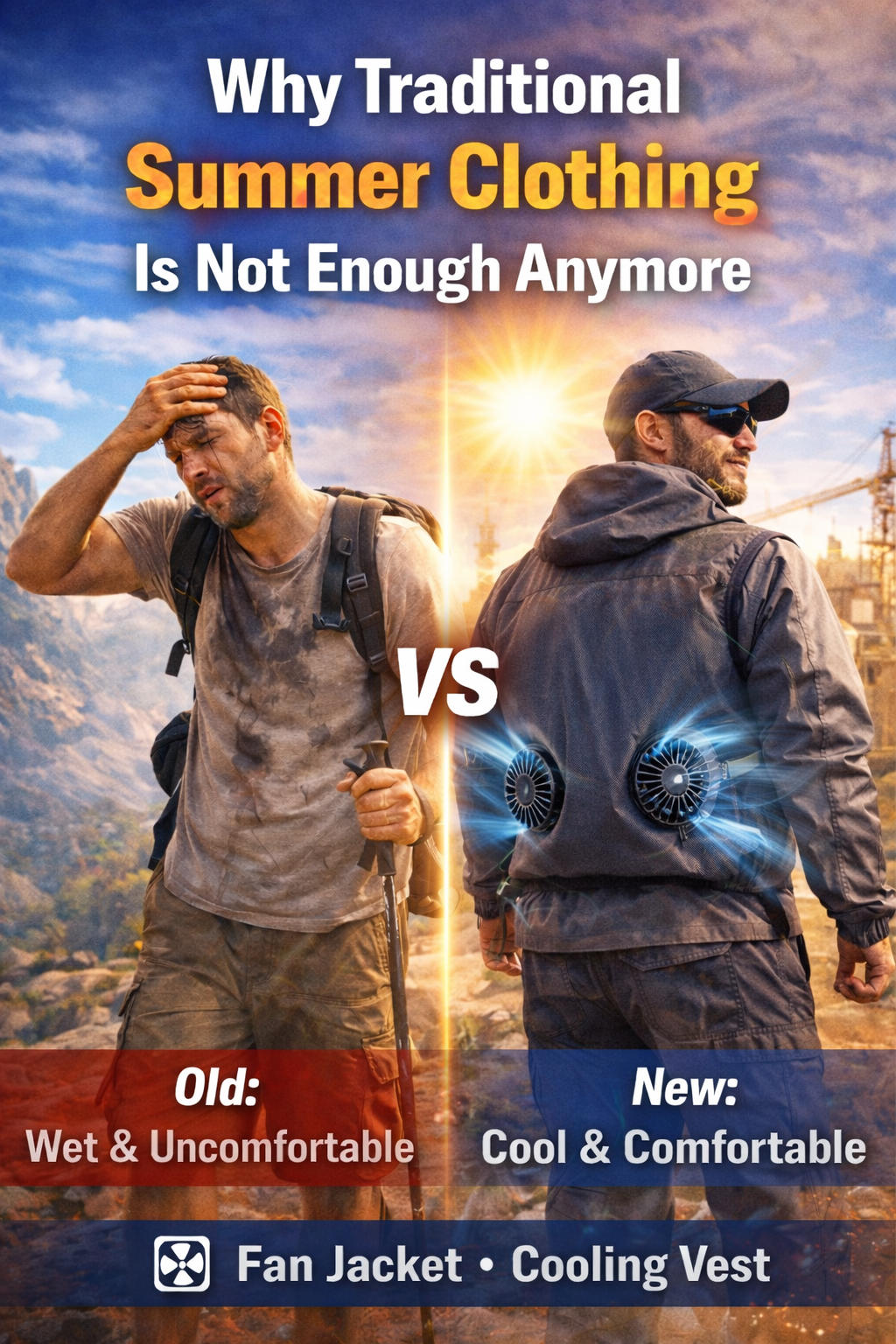
Modern outdoor cooling gear provides an extra layer of protection by actively helping your body regulate temperature.
- Cooling vests help lower core body temperature
- Fan jackets improve airflow and reduce sweat buildup
- Portable cooling devices offer instant relief
These solutions are especially useful for people who spend extended time outdoors.
When to Take Immediate Action
If symptoms worsen, it’s important to act quickly:
- Move to a cooler place
- Drink water slowly
- Rest and avoid further activity
If symptoms do not improve, seek medical attention immediately.
Heat exhaustion is more common than many people realize — but it’s also preventable.
By recognizing the early signs and taking proactive steps, you can stay safe and comfortable even in hot outdoor conditions.
The key is preparation. With the right habits and the right gear, you can enjoy the outdoors without putting your health at risk.
Stay prepared for rising temperatures with LITEGUEST cooling solutions designed to keep you safe and comfortable outdoors.