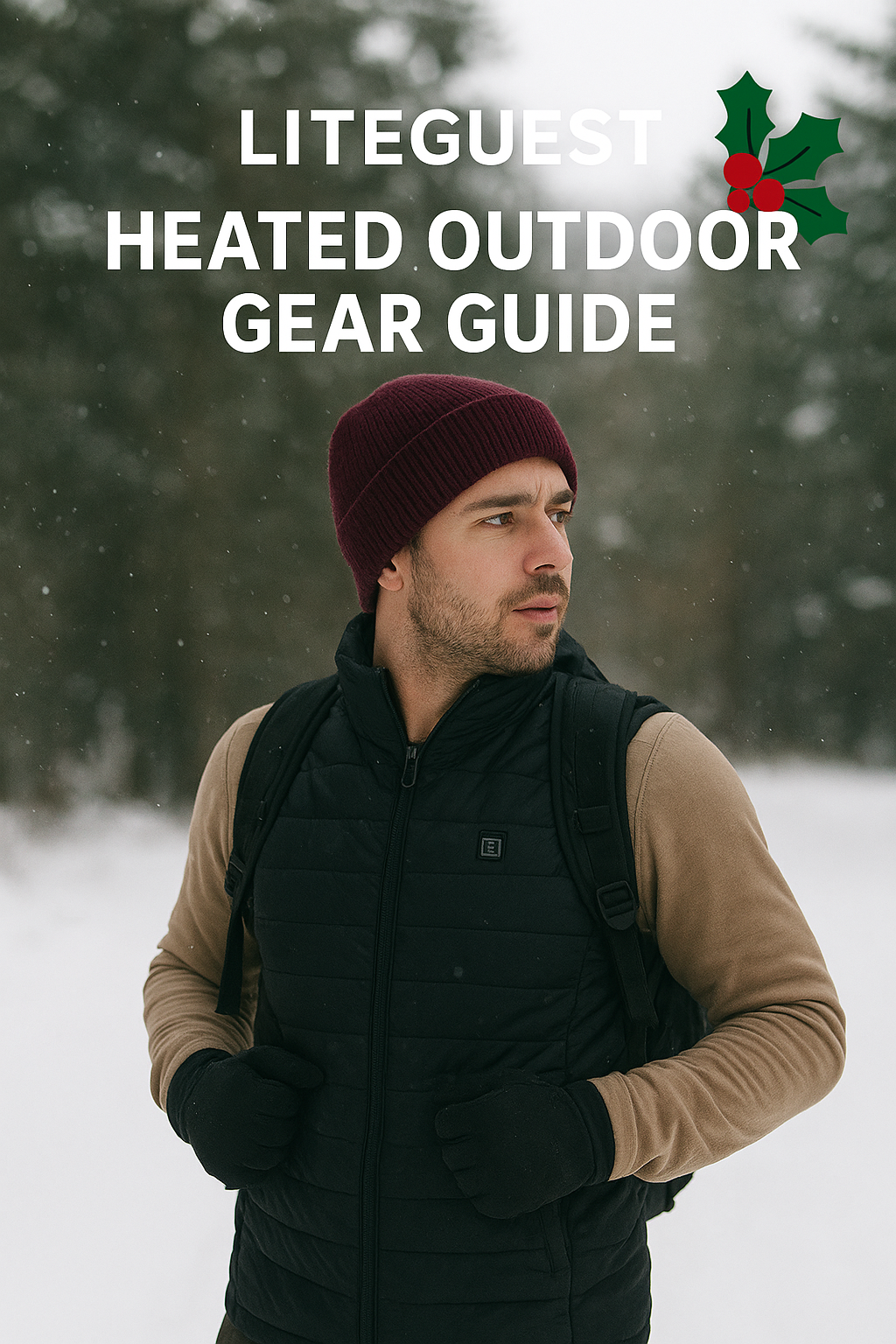

Staying warm in extreme winter temperatures requires more than just wearing thick clothing—you need a smart, strategic layering system that traps heat, manages moisture, and works seamlessly with your heated apparel. Whether you're hiking in sub-zero conditions, winter camping, skiing, or commuting in harsh cold, proper layering with LITEGUEST heated gear delivers superior warmth and all-day comfort.
This guide explains how to build the ideal cold-weather layering system using LITEGUEST heated pants, heated jackets, heated vests, and accessories like heated insoles or heated cushions.
Why Layering Matters in Extreme Cold
Layering is a proven method for maintaining body temperature. Instead of relying on one bulky coat, wearing multiple lightweight layers helps you regulate heat more efficiently and stay dry. Heated apparel enhances this system by generating warmth exactly where you need it.
A smart layering system should accomplish three things:
-
Retain body heat
-
Prevent overheating through ventilation
-
Manage sweat and moisture effectively
When done correctly, layering lets your LITEGUEST heated gear work at its full potential.
1. Start With a Moisture-Wicking Base Layer
Your base layer is the foundation of warmth. It should fit close to the body and pull moisture away from your skin.
✔ Recommended Materials
-
Polyester blends
-
Merino wool
-
Moisture-wicking thermal fabrics
✔ Why It Matters
Sweat can rapidly cool your body in low temperatures. A good base layer prevents that risk, keeping you dry and warm beneath your heated clothing.
2. Add a Thin, Warm Mid-Layer
The mid-layer traps warmth while allowing your LITEGUEST heating zones to distribute heat evenly.
✔ Best Options
-
Lightweight fleece
-
Softshell jacket
-
Thin insulated liner
✔ Pro Tip
Choose a mid-layer that doesn’t compress the heating elements. Too much pressure reduces heat circulation.
3. Use LITEGUEST Heated Gear as the Primary Heat Source
Now add your heated apparel—the core of your warmth system.
Popular combinations:
-
Heated Pants + Base Layer + Waterproof Shell
-
Heated Vest + Mid-Layer + Down Jacket
-
Heated Jacket + Base Layer + Windproof Outer Layer
✔ Benefits
-
Customizable heating levels
-
Faster warming than traditional insulation
-
Better mobility with less bulk
LITEGUEST heated gear focuses heat on key areas like the core, thighs, lower back, and pockets—allowing you to stay warm even during low activity levels.
4. Finish With a Windproof and Waterproof Outer Layer
Your outer shell protects you from wind, snow, and rain—all of which intensify the cold.
✔ Choose an outer layer with:
-
Waterproof or water-resistant fabric
-
Windproof construction
-
Breathable membrane
-
Adjustable cuffs and hems
✔ Why It’s Important
Even the best heated clothing loses effectiveness when exposed to strong wind or moisture. A durable shell keeps heat inside and prevents cold air from penetrating.
5. Extra Accessories for Extreme Conditions
Enhance your cold-weather system with heated accessories that address cold-prone areas:
-
Heated Insoles for foot warmth
-
Heated Gloves for hand protection
-
Heated Cushions for outdoor seating
-
Heated Neck Wraps for additional insulation
Small additions make a big difference when temperatures drop far below freezing.
6. Tips for Optimizing Battery Life in Cold Weather
Cold temperatures drain lithium batteries faster. Here’s how to extend battery performance:
-
Pre-warm batteries indoors
-
Use medium heat levels instead of high
-
Keep power banks in inner pockets
-
Bring an extra battery for long outdoor sessions
These simple habits ensure your heated gear lasts throughout the day.