
How to Layer Heated Gear for Extreme Winter Conditions
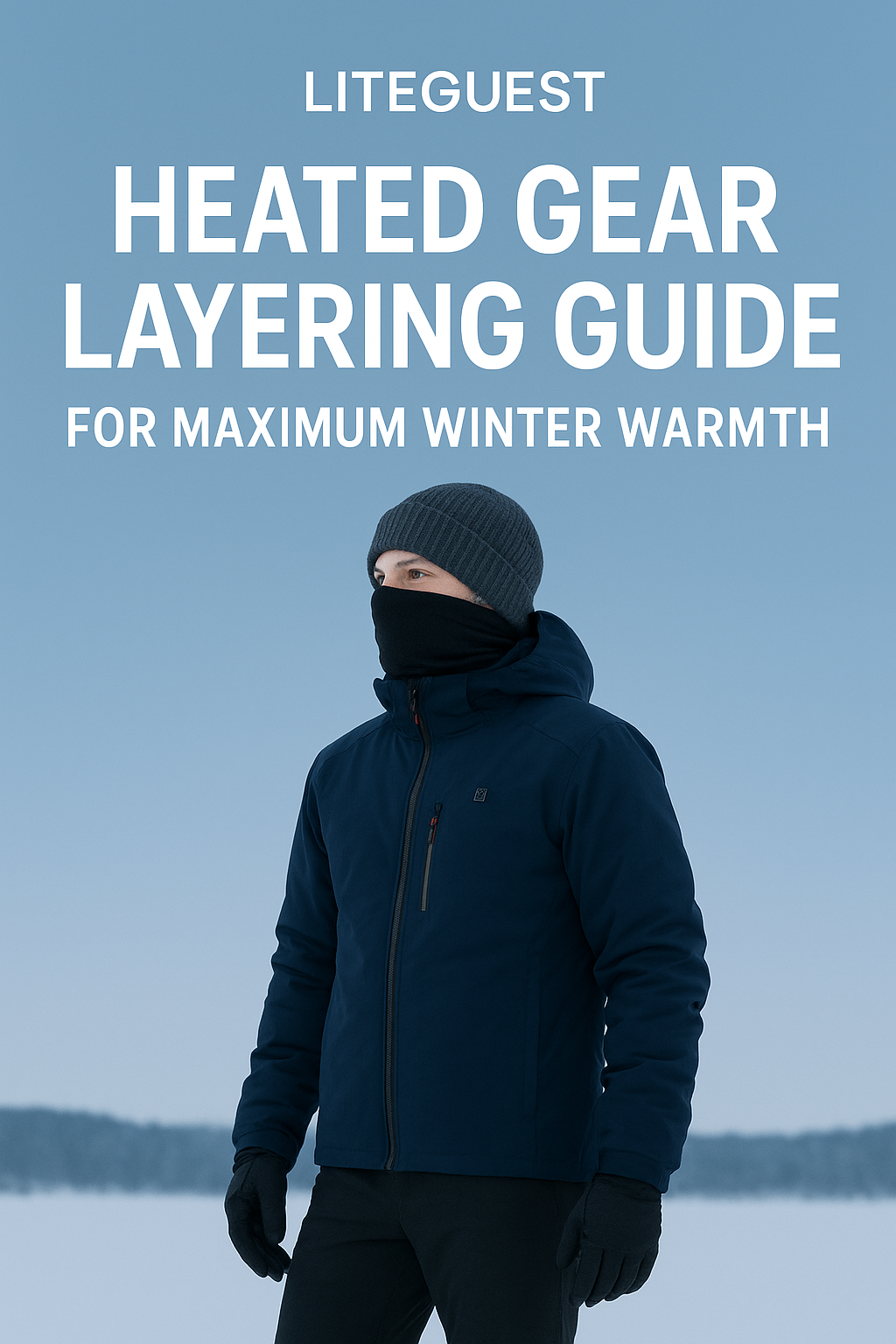
Extreme winter conditions demand more than just warm clothing—they require a strategic layering system that keeps you insulated, dry, and comfortable for long hours outdoors. Heated apparel enhances this system by providing active, controllable warmth, but knowing how to layer it correctly is key to achieving maximum performance. This guide explains how to combine base layers, mid-layers, outer shells, and heated gear to get the full benefit during cold-weather adventures.
Why Layering Matters in Winter
A proper layering system helps you:
-
Maintain body heat
-
Prevent cold air infiltration
-
Manage moisture and sweat
-
Avoid overheating
-
Stay comfortable during movement or rest
When heated apparel is added into this system, the overall warmth and efficiency significantly increase.
Step 1: Start with a Moisture-Wicking Base Layer
The base layer should keep sweat away from your skin and regulate temperature. Choose:
-
Lightweight or mid-weight fabrics
-
Materials like merino wool or synthetic blends
-
Close-fit tops and bottoms
A dry base layer ensures that your heated gear can warm you effectively.
Step 2: Add an Insulating Mid-Layer
The mid-layer traps heat and adds warmth without restricting mobility. Suitable options include:
-
Fleece jackets
-
Softshell pullovers
-
Lightweight down or synthetic insulation
This layer works with the heated apparel to prevent heat loss in harsh temperatures.
Step 3: Integrate Your Heated Apparel
This is the core of your heated layering strategy. Heated gear you can incorporate includes:
-
Heated jackets or vests
-
Heated pants
-
Heated gloves
-
Heated socks or insoles
For best performance:
-
Wear heated vests or jackets over the base layer but under the mid-layer
-
Heated pants should be worn as the mid-layer, not over bulky clothing
-
Gloves and socks should be worn close to the skin
Heated apparel replaces or enhances traditional mid-layers for powerful warmth.
Step 4: Finish with a Weather-Resistant Outer Layer
Your outermost layer must protect you from wind, snow, and moisture. Choose:
-
Waterproof or windproof shells
-
Breathable fabrics
-
Hardshell or insulated jackets depending on activity
This final layer locks the heat inside while shielding you from harsh winter conditions.
Best Layering Combinations for Different Activities
Hiking or Trekking
-
Base layer
-
Thin fleece
-
Heated vest
-
Waterproof shell
Winter Work or Low-Movement Activities
-
Moisture-wicking base layer
-
Heated jacket or heated pants
-
Thick insulated parka
Snow Sports
-
Merino wool base layer
-
Heated mid-layer
-
Ski jacket and snow pants
Why LITEGUEST Heated Gear Helps You Layer Smarter
LITEGUEST heated jackets, vests, pants, and insoles are engineered to deliver fast heating, lightweight comfort, and excellent battery performance—perfect for extreme winter layering without adding bulk.
Explore the full collection:
👉 https://outdoorlitegear.com/collections/heated-apparel
Final Thoughts
Layering heated gear the right way makes a significant difference in extreme winter conditions. With proper base layers, insulation, and a protective shell, your heated apparel can deliver maximum warmth, efficiency, and long-lasting comfort.