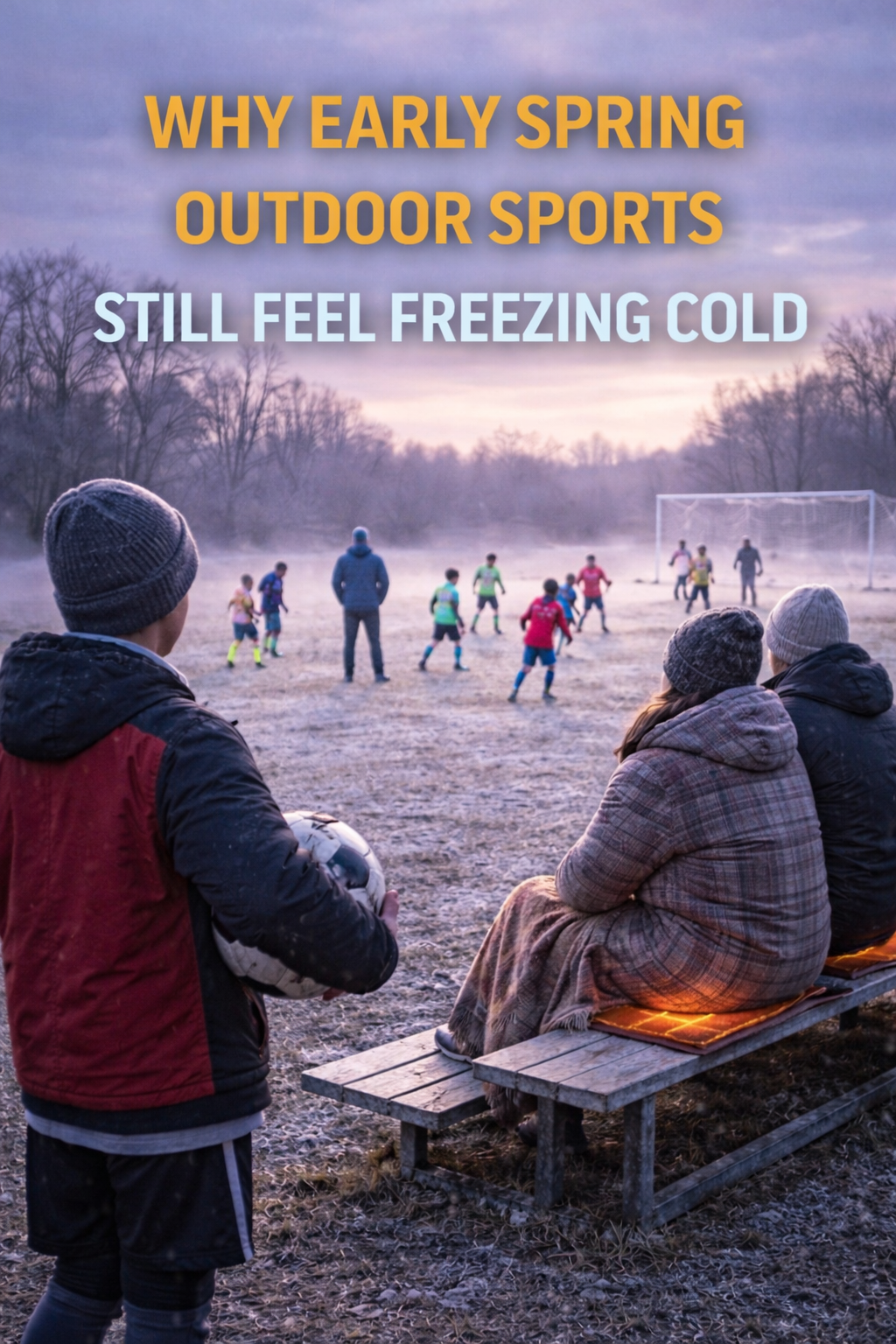

When the Storm Passes, the Cold Often Stays
Major winter storms don’t always end when the snow stops falling.
For many families across the U.S., the real challenge begins after the storm — when temperatures remain dangerously low, roads are blocked, and power outages last for days.
Staying warm during this period isn’t just about comfort.
It’s about safety, health, and preparedness.
Common Risks After a Winter Storm
Once the storm has passed, people often underestimate the risks:
-
Prolonged power outages
-
Indoor temperatures dropping below safe levels
-
Limited access to fuel or heating sources
-
Increased risk of hypothermia, especially for children and seniors
According to emergency management agencies, most cold-related injuries happen after the storm, not during it.
Safe Ways to Stay Warm Without Power
If electricity or central heating is unavailable, consider these safer alternatives:
1. Layering Matters More Than You Think
Wearing multiple thin layers traps heat better than one thick layer.
Focus on:
-
Thermal base layers
-
Insulated mid-layers
-
Wind-resistant outer layers
2. Use Portable, Low-Power Heating Solutions
Battery-powered or USB-powered heated gear can help maintain body warmth without relying on home electricity.
These options are especially useful for:
-
Sleeping areas
-
Emergency shelters
-
Vehicles during temporary stops
(Always follow safety guidelines and manufacturer instructions.)
Warmth Starts With the Body, Not the Room
Heating an entire space during an outage is difficult and sometimes unsafe.
A more efficient approach is keeping the body warm directly.
That’s why many outdoor professionals recommend:
-
Insulated sleeping systems
-
Heated blankets or mats designed for low-power use
-
Warm seating pads for extended indoor sitting
This approach conserves energy while reducing exposure to extreme cold.
Prepare Before the Next Storm
Winter storms are becoming more unpredictable.
Preparation doesn’t mean panic — it means having practical options ready.
A simple winter emergency kit should include:
-
Extra thermal clothing
-
Backup power sources
-
Portable heating solutions
-
Non-perishable food and water
Stay Safe, Stay Warm
Cold weather emergencies test more than infrastructure — they test preparedness.
By planning ahead and choosing safer, low-energy ways to stay warm, families can get through winter outages with greater confidence and peace of mind.
Stay informed. Stay prepared. And most importantly — stay safe.