
Hot Days, Cool Mornings: How to Stay Comfortable as Seasons Change
Category: Summer to Fall Outdoor Comfort
Reading Time: 6 min read
Updated: August 2026
When One Day Can Feel Like Two Seasons

The morning starts cool.
You grab a light layer before heading outside, but by early afternoon, the temperature has climbed and the same day suddenly feels like summer again.
Then, as the sun goes down, the air becomes comfortable—or even chilly.
This kind of temperature swing is common during the transition from summer into fall. It can be especially noticeable when you're spending several hours outdoors, traveling between different elevations, or moving between direct sunlight and shade.
The solution isn't necessarily to choose between cooling gear and heated gear.
Sometimes, the smarter approach is to prepare for both.
Quick Take
August can still bring intense summer heat, so cooling gear remains useful for many outdoor activities.
At the same time, cooler mornings and evenings can make a lightweight extra layer valuable.
Instead of replacing your summer setup too early, think about flexible outdoor comfort:
Cool when it's hot. Layer when it's cool. Adjust as conditions change.
Why Temperatures Can Change So Much During One Outdoor Day
A full day outdoors doesn't always have one consistent temperature.
Morning temperatures may feel comfortable while the afternoon sun creates significantly more heat. Later in the day, temperatures can fall again as the sun becomes lower.
Your activity and surroundings can make the difference even more noticeable.
Direct Sun vs. Shade
A sunny golf course, trail, or campsite can feel much warmer than a shaded area nearby.
Morning vs. Afternoon
Early morning may call for an additional layer, while midday may require active cooling.
Daytime Activity vs. Evening Rest
Physical activity naturally produces more body heat. Once you slow down in the evening, that extra warmth may no longer be available.
Changing Elevation
Mountain trails, campsites, and other outdoor destinations can experience larger temperature differences between locations and times of day.
This is why dressing for the entire day, rather than one specific temperature, can make outdoor activities much more comfortable.
Cooling Gear Still Matters in August
A seasonal transition doesn't mean summer heat suddenly disappears.
In many locations, August afternoons can still be extremely warm.
Golfers may spend several hours under direct sunlight. Cyclists and riders can generate significant body heat during active movement. Campers may work in the sun during setup, while hikers can experience intense heat on exposed trails.
For these situations, cooling gear can remain useful well into late summer.
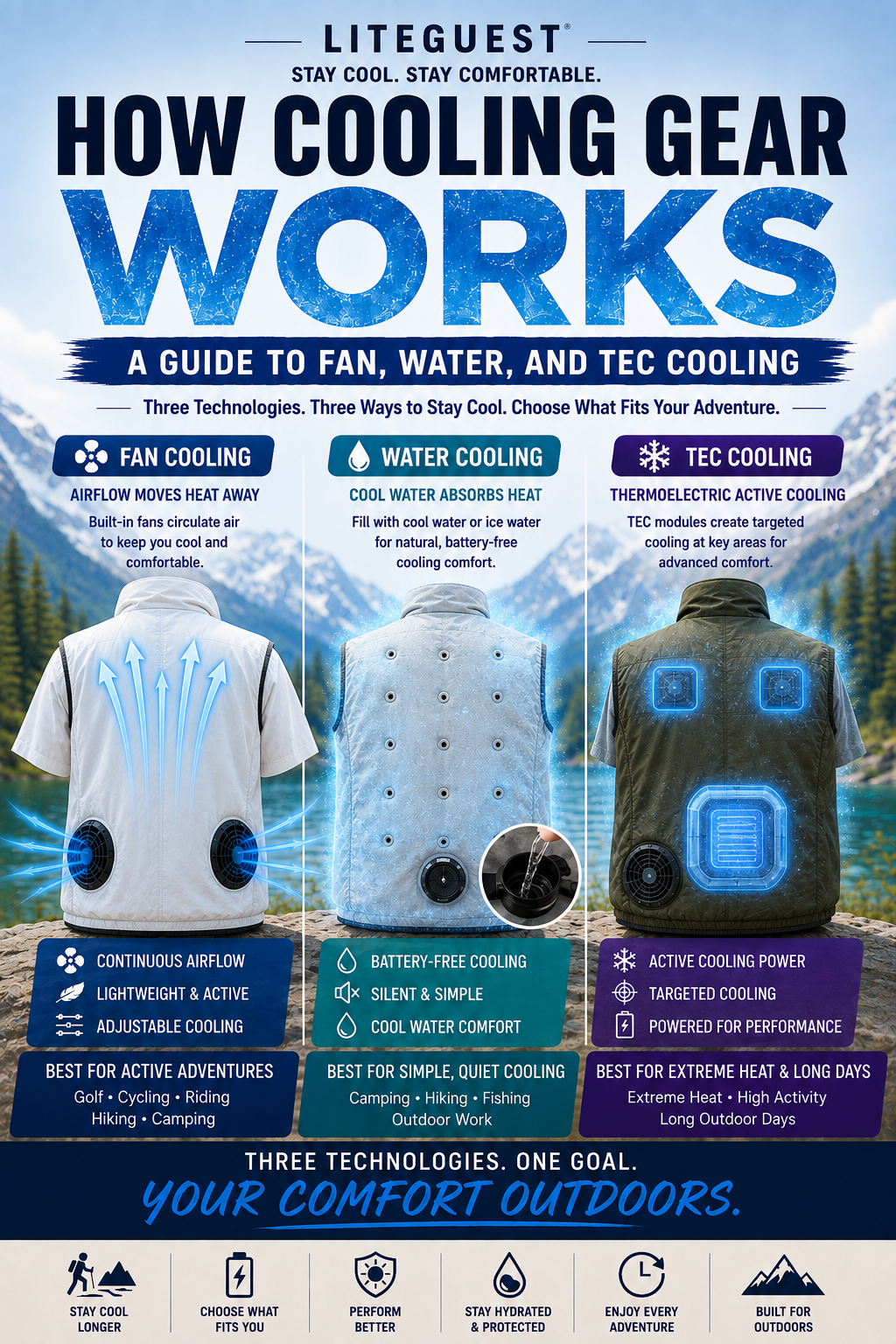
Fan Cooling
Fan-powered apparel can provide continuous airflow during active outdoor activities.
Water Cooling
A water cooling vest can provide a quiet, battery-free cooling option when cool or ice water is available.
TEC Cooling
TEC cooling can provide active, targeted cooling for users looking for a more advanced cooling solution.
The key is not to stop using cooling gear simply because the calendar is moving toward fall.
Use cooling when the conditions call for cooling.
Build a Flexible Layering System
When temperatures can change throughout the day, layering becomes more useful than choosing one heavy outfit.
A flexible outdoor system might look like this:
Morning
Start with a lightweight base layer and an additional outer layer if needed.
Afternoon
As temperatures rise, remove the extra layer and switch to your cooling gear.
Evening
When the temperature begins to drop again, add the outer layer back.
This simple approach allows the same outfit to adapt throughout the day.
Cooling and Heating Can Work Together
Cooling gear and heated gear aren't necessarily competing products.
They solve different problems.
Think about a typical outdoor day:
7:00 AM — Cool
You may want a lightweight jacket or heated layer.
12:00 PM — Warm
The temperature rises and you switch to cooling apparel.
3:00 PM — Hot
Active cooling becomes the priority.
7:00 PM — Cool Again
As the sun goes down, a heated layer or warmer outer layer may become useful again.
The important idea is flexibility.
You don't need to choose one technology for the entire day when conditions are constantly changing.
What to Pack for a Full Day Outdoors
If you're planning to spend most of the day outdoors, preparing for both warm and cool conditions can make the experience much easier.
Cooling
- Fan Cooling Vest
- Cooling Jacket
- Water Cooling Vest
- TEC Cooling Vest
Power
- Fully charged power bank
- Charging cable
- Backup power when appropriate
Layers
- Lightweight base layer
- Light jacket
- Heated vest or other heated layer when temperatures are expected to fall
Sun Protection
- Sunscreen
- Sunglasses
- Hat
- UV-protective clothing
Hydration
- Water
- Extra fluids
- Electrolytes when appropriate
The goal isn't to carry everything you own.
It's to choose a flexible combination based on the weather, activity, and length of your day.
When to Use Cooling and When to Add a Heated Layer
A simple way to think about your outdoor setup is to focus on conditions rather than the season.
If It's Hot
Use cooling apparel, stay hydrated, seek shade when available, and take regular breaks.
If It's Warm but Changing
Use lightweight layers that can be removed or added as conditions change.
If It's Cool in the Morning
Start with an additional layer and remove it once temperatures rise.
If It's Cool in the Evening
Add a warmer layer after the sun goes down.
If Temperatures Vary Significantly
Consider carrying both cooling and warming options rather than relying on one outfit all day.
This is particularly useful for camping trips, mountain activities, long rides, fishing trips, and full-day outdoor events.
Outdoor Activities Where Temperature Changes Matter
Temperature swings can affect almost any activity that keeps you outside for several hours.
Golf
A morning tee time can feel cool, while the middle of the round may become hot. Lightweight layers and cooling gear provide flexibility.
Riding
Long rides can move through changing weather, shade, sunlight, and elevation. A flexible clothing system can help you adapt.
Camping
Camping often means being outside from early morning until late evening, making temperature changes especially noticeable.
Hiking
Trail elevation, exposure, and changing weather can create significant differences throughout a hike.
Fishing
Anglers may experience cool mornings followed by hours of direct sunlight on open water.
Outdoor Events
Events can begin in comfortable conditions and continue through the hottest part of the afternoon before temperatures drop again in the evening.
Don't Switch Seasons Too Early

One of the easiest mistakes during seasonal transitions is assuming that summer cooling gear is no longer useful simply because fall is approaching.
The calendar changes faster than the weather.
If afternoons are still hot, cooling gear can remain an important part of your outdoor setup.
At the same time, adding a lightweight heated layer to your gear collection can prepare you for cooler mornings and evenings.
This approach allows you to gradually transition rather than making a sudden switch.
Keep your cooling gear ready. Start preparing your heating gear.
Key Takeaways
- August can still bring significant summer heat, so cooling gear remains useful.
- Morning and evening temperatures can be much different from afternoon conditions.
- Layering makes it easier to adapt to changing temperatures.
- Cooling and heated gear can complement each other during transitional weather.
- You don't need to replace your cooling setup as soon as fall approaches.
- A flexible outdoor system should adapt to the conditions throughout the entire day.
- Preparing for both hot and cool periods can make long outdoor activities more comfortable.
LITEGUEST Pro Tip
Don't pack according to the calendar. Pack according to the temperature range.
If the afternoon forecast is hot but the morning and evening are cool, prepare for both.
A cooling vest can handle the hottest part of the day, while a lightweight heated layer can provide extra comfort when temperatures fall.
The best outdoor setup is one that can change with you.
Gear We Trust
For late-summer and early-fall outdoor adventures, consider building a flexible system around:
- LITEGUEST Fan Cooling Vest — Continuous airflow for hot and active outdoor conditions.
- LITEGUEST Water Cooling Vest — A quiet, battery-free cooling option for warm-weather activities.
- LITEGUEST TEC Cooling Vest — Advanced active cooling for demanding hot-weather conditions.
- LITEGUEST Cooling Jackets — Added coverage for hot outdoor environments and changing conditions.
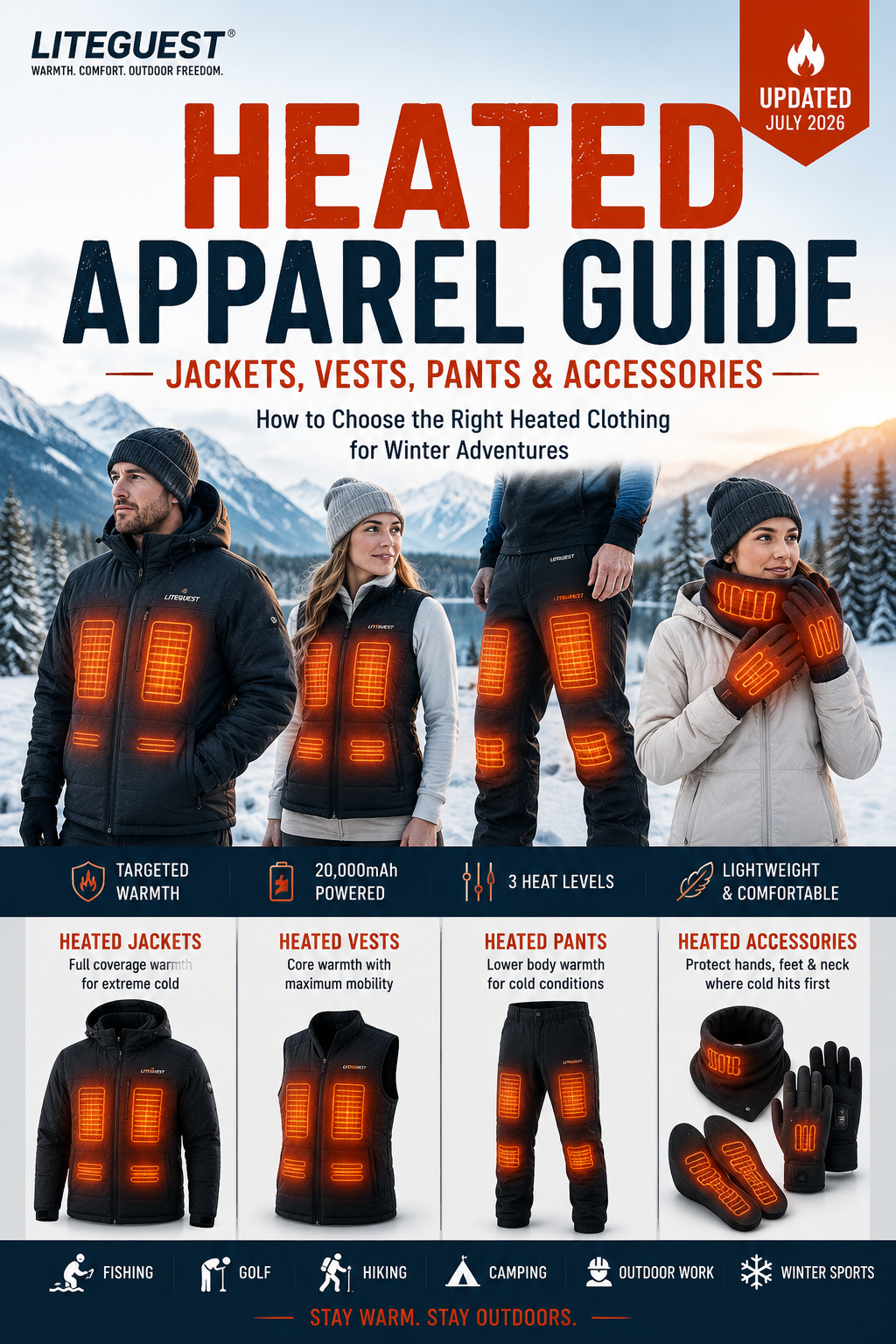
- LITEGUEST Heated Apparel — A warming option for cooler mornings, evenings, and the coming colder season.
FAQs
Is cooling gear still useful in August?
Yes. August can still bring very hot afternoon temperatures in many areas. If you're spending several hours outdoors, cooling apparel can remain useful even as mornings and evenings become cooler.
Should I wear heated gear in early fall?
It depends on the temperature and activity. A heated layer can be useful during cool mornings, evenings, or outdoor activities where you remain stationary for long periods. During warm afternoons, cooling gear may still be more appropriate.
How should I dress for large temperature changes outdoors?
Use layers that can be added or removed throughout the day. A lightweight base layer, cooling apparel for hot periods, and a warmer outer layer for cooler periods can provide greater flexibility than one heavy layer.
Stay cool when it's hot. Stay warm when it's cool. Keep exploring.
The transition from summer to fall doesn't happen all at once.
You may wake up to a cool morning, spend the afternoon in intense heat, and finish the day in cool evening air.
That's why outdoor comfort during this period is less about choosing between summer and fall gear and more about being prepared for both.
Keep your cooling gear ready while temperatures remain high.
Start adding lightweight heated options for the mornings and evenings.
As the season continues to change, your outdoor gear can change with it.