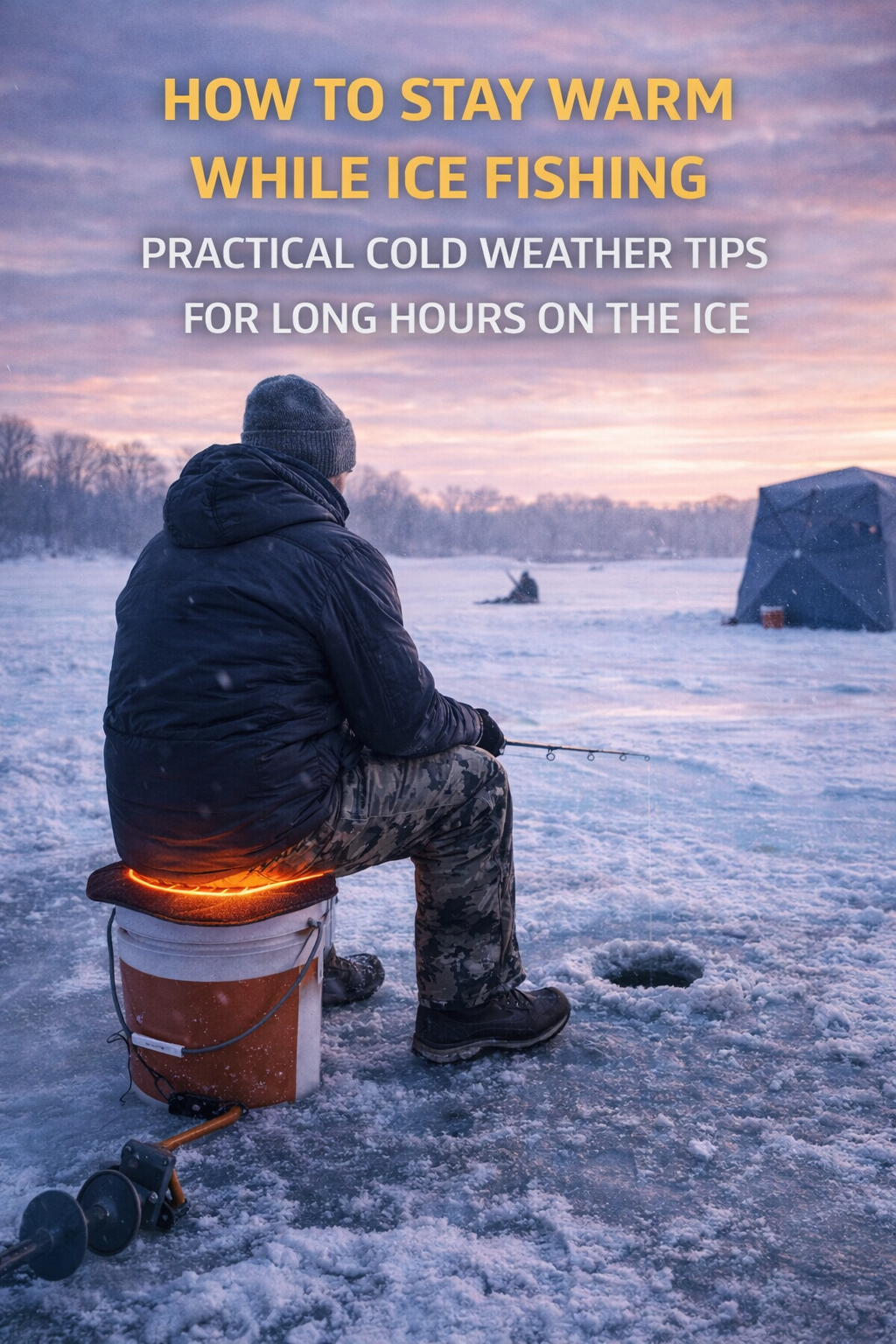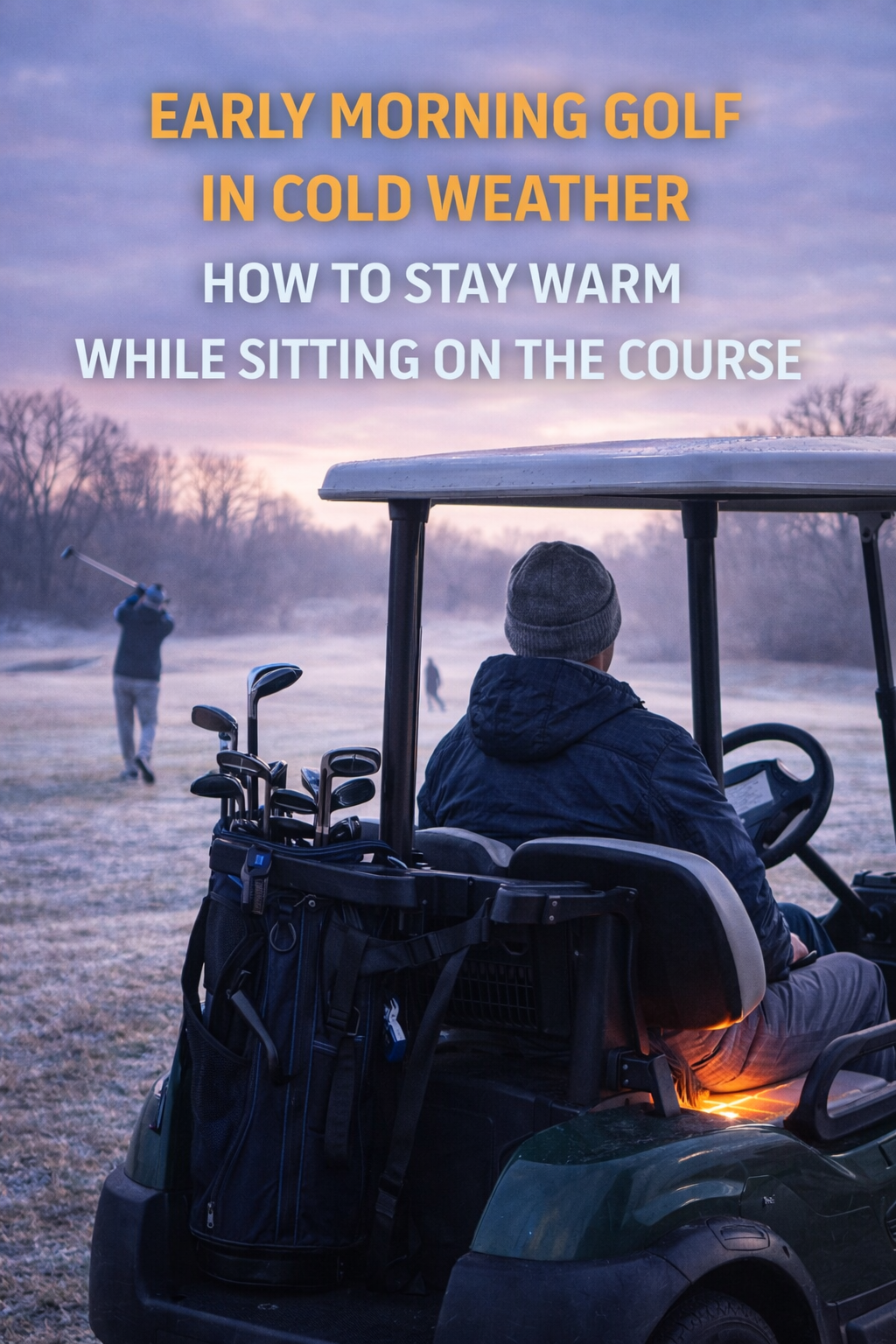

Watching outdoor sports in winter is a very different experience from attending games in warmer months.
In many parts of the United States, spectators spend hours sitting on cold stadium seats, often exposed to wind, low temperatures, and damp surfaces.
While the air temperature may already feel uncomfortable, cold seats make the situation much worse.
Why stadium seats feel colder than the weather
Stadium seating is usually made of metal, plastic, or concrete — materials that absorb and transfer cold quickly.
When spectators sit down, body heat is pulled away through direct contact, especially during long periods of inactivity.
Unlike players, fans don’t move much. Reduced circulation combined with heat loss through the seat causes the body to cool faster than expected, even when wearing winter clothing.
This is why people often feel fine when entering the stadium but become increasingly uncomfortable as the game goes on.
Why jackets alone don’t solve the problem
Many spectators rely on heavy jackets, gloves, and hats for winter games. While these help protect against cold air, they do very little to stop heat loss from below.
Cold transfers upward from the seat into the core of the body.
Once the core temperature drops, hands and feet begin to feel colder, and overall comfort declines quickly.
This explains why fans may still feel cold even when well layered.
How spectators stay warm during outdoor winter games
Experienced U.S. sports fans adjust their approach by focusing on where the cold comes from, not just how cold it is.
Common strategies include:
-
Limiting direct contact with cold stadium seats
-
Standing or walking periodically to restore circulation
-
Using insulating or warming solutions designed for outdoor seating
-
Choosing seats with less wind exposure when possible
These small adjustments help maintain warmth without interfering with the game experience.
Comfort improves focus and enjoyment
Staying warm while sitting isn’t about luxury — it’s about endurance.
When spectators remain comfortable, they stay engaged longer, enjoy the game more, and avoid the physical fatigue that cold causes.
Cold stadium seats are a reality of winter sports in the U.S.
Understanding how heat is lost — and how to reduce that loss — makes attending outdoor games far more enjoyable, even in freezing conditions.