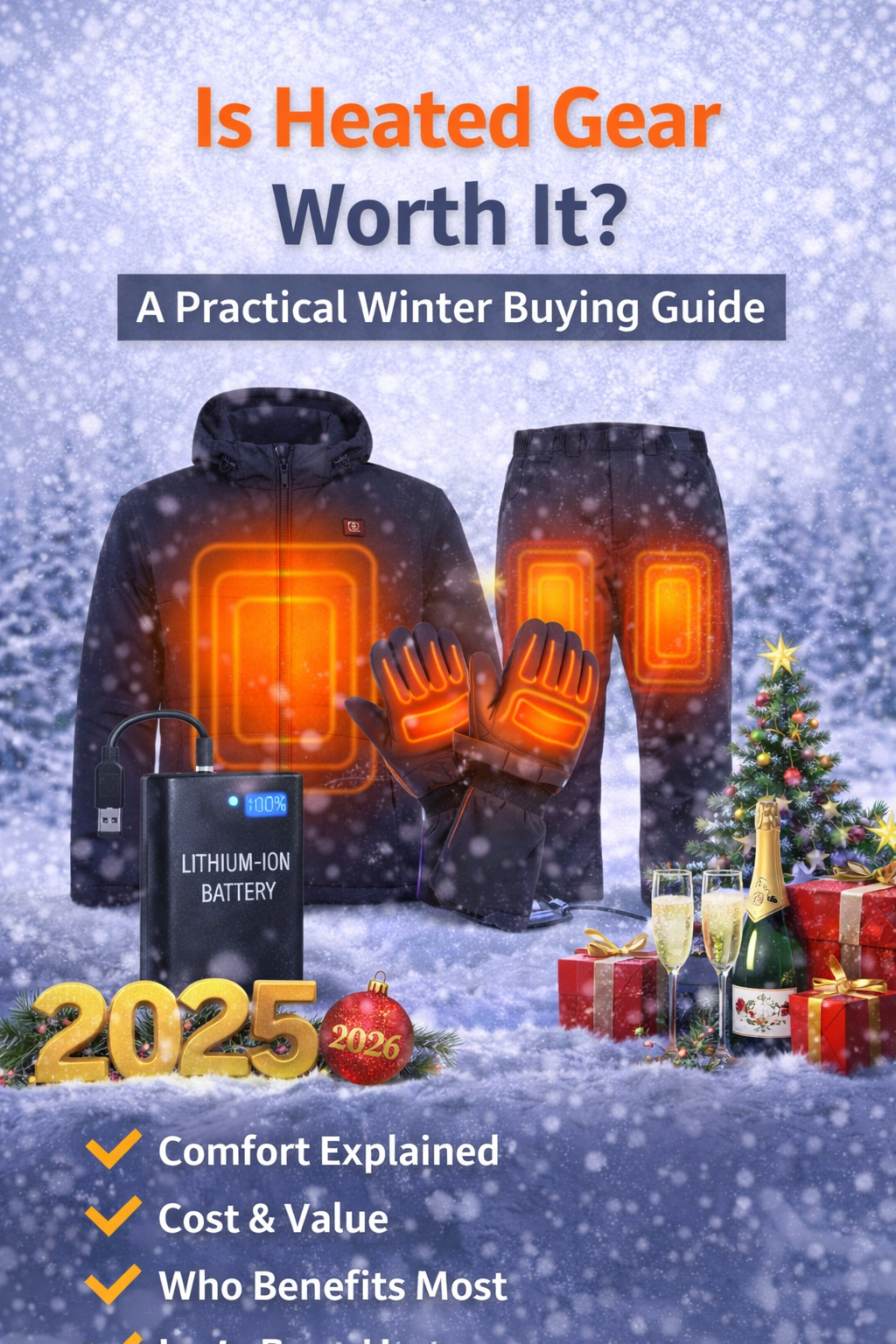

When temperatures drop to extreme levels, many outdoor enthusiasts wonder whether heated clothing actually works—or if it’s just a marketing promise. From freezing winds to long hours outdoors with limited movement, extreme cold pushes both the body and gear to their limits.
This article explains how heated clothes perform in extreme cold, what they can realistically do, and when they make the biggest difference.
1. What Counts as “Extreme Cold”?
Extreme cold isn’t just about numbers on a thermometer.
It usually means:
-
Temperatures below freezing for extended periods
-
Strong wind that accelerates heat loss
-
Low activity levels where body heat production drops
-
Long exposure times outdoors
In these conditions, traditional insulation alone often struggles to maintain comfort.
2. How Heated Clothing Works in Cold Environments
Heated clothing doesn’t replace insulation—it enhances it.
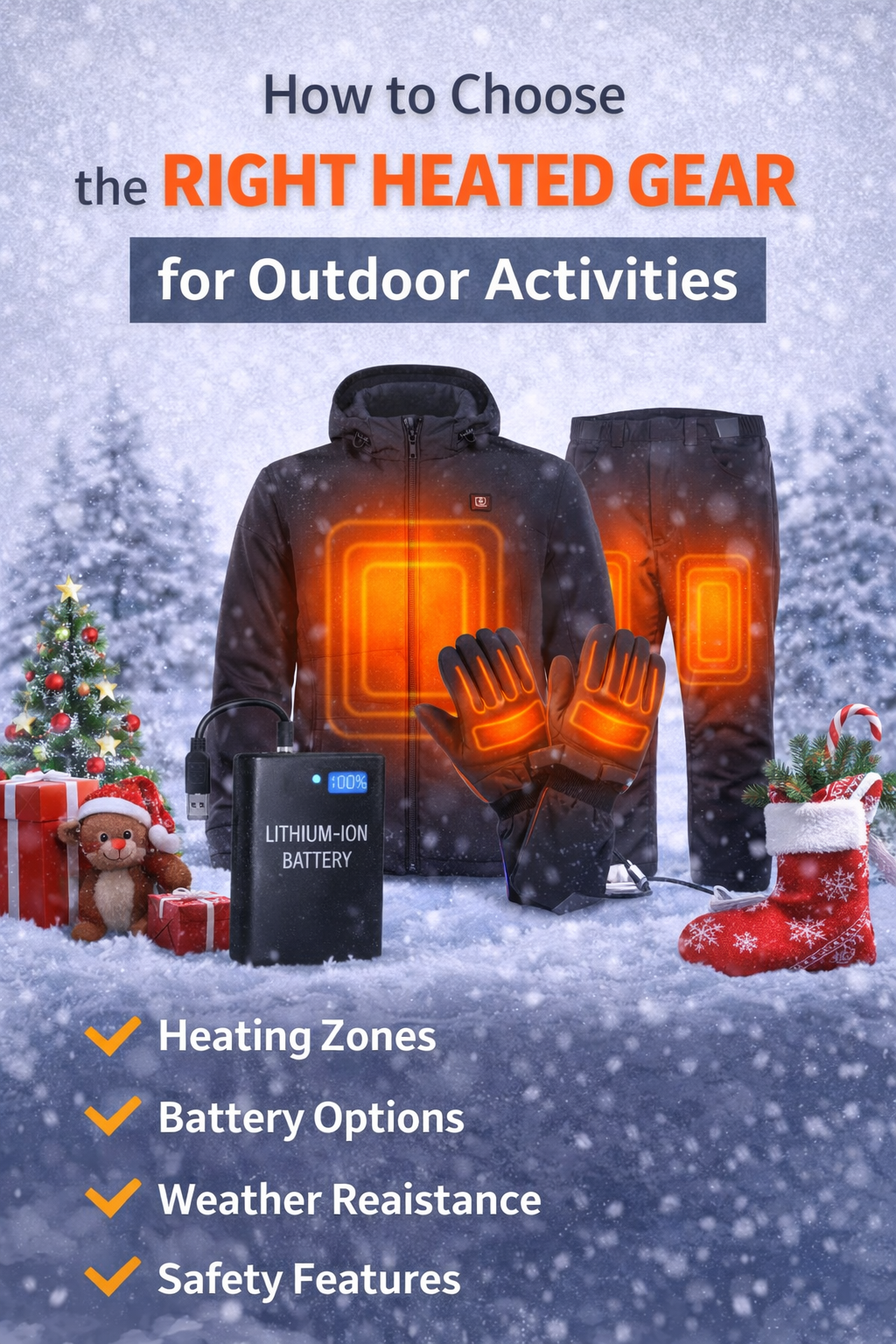
Built-in heating elements actively generate warmth in key areas such as the chest, back, thighs, or seat. This helps:
-
Maintain core temperature
-
Reduce the body’s energy spent on staying warm
-
Slow down heat loss caused by wind and inactivity
Instead of trapping existing heat, heated clothing supplements it.
3. Does Heated Clothing Stay Effective in Extreme Cold?
Yes—but with realistic expectations.
Heated clothing works best when:
-
Used as part of a proper layering system
-
Set to moderate heat levels rather than maximum
-
Paired with windproof and water-resistant outer layers
In extreme cold, heated clothing helps maintain comfort and endurance, but it is not designed to replace survival-grade gear.
4. Battery Performance in Low Temperatures
Battery performance is often the biggest concern.
Cold temperatures can reduce battery efficiency, but modern heated gear addresses this by:
-
Using insulated battery compartments
-
Offering adjustable heat levels
-
Supporting external power banks
Lower heat settings significantly extend runtime and are often sufficient when layered correctly.
5. When Heated Clothing Makes the Biggest Difference
Heated clothing is especially effective in:
-
Low-movement activities (ice fishing, hunting, spectating)
-
Long outdoor exposure without shelter
-
Situations where frequent re-layering is impractical
In these scenarios, active heating provides steady warmth that insulation alone cannot.
6. Safety and Comfort in Extreme Conditions
Quality heated clothing includes safety systems such as:
-
Overheat protection
-
Automatic shut-off
-
Stable temperature regulation
These features ensure safe use even during extended wear in harsh conditions.
Heated clothing does work in extreme cold—but it works best when used intelligently. Combined with proper layering and realistic expectations, heated gear can dramatically improve comfort, focus, and endurance during cold-weather outdoor activities.
Rather than replacing traditional winter clothing, heated gear enhances it—making extreme cold more manageable and enjoyable.