
Heated Gear vs Traditional Winter Clothing: What’s the Difference?
When winter arrives, most people instinctively reach for thicker jackets, thermal base layers, and insulated gloves. Layering has been the standard solution for cold weather for decades. But as outdoor activities become more demanding—and winters feel less predictable—many people are discovering that traditional winter clothing doesn’t always deliver consistent warmth.
This is where heated gear enters the conversation. But how exactly is heated apparel different from standard winter clothing? And is it really worth it for outdoor activities?
Let’s break down the real differences.
How Traditional Winter Clothing Keeps You Warm
Traditional winter clothing relies on one main principle: insulation.
Insulated jackets, fleece layers, and thermal fabrics work by trapping the heat your body naturally produces. The thicker the insulation, the more heat is retained—at least in theory.
However, this system has limitations:
-
Your body must already be generating heat
-
Warmth decreases quickly when activity stops
-
Sweat can reduce insulation effectiveness
-
Bulkier layers restrict movement
-
Wind and moisture reduce performance
In outdoor situations where movement levels constantly change—hiking uphill, stopping for breaks, waiting, or dealing with wind—traditional layering often struggles to maintain comfort.
How Heated Gear Works Differently
Heated gear doesn’t rely on trapping heat. It creates heat.
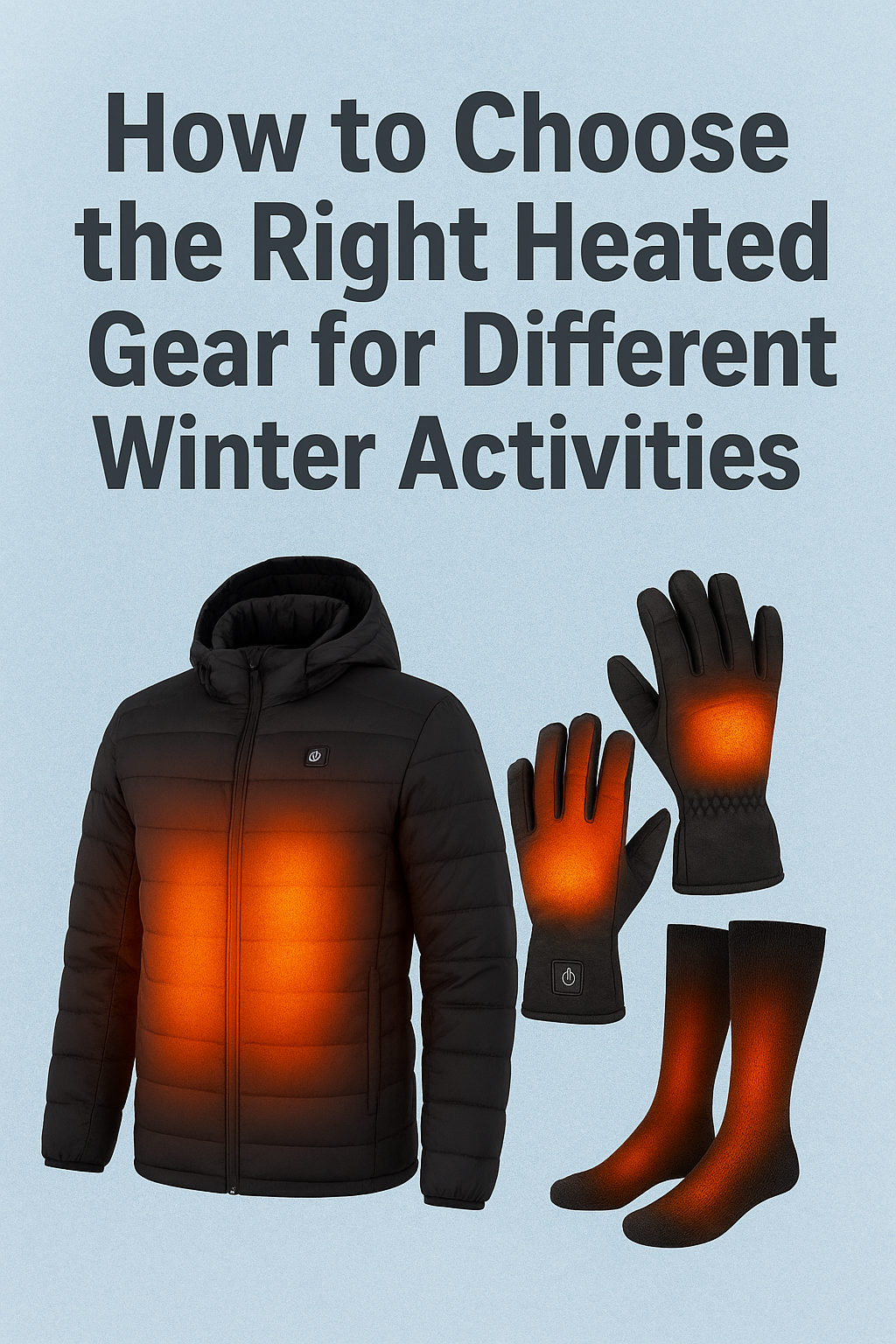
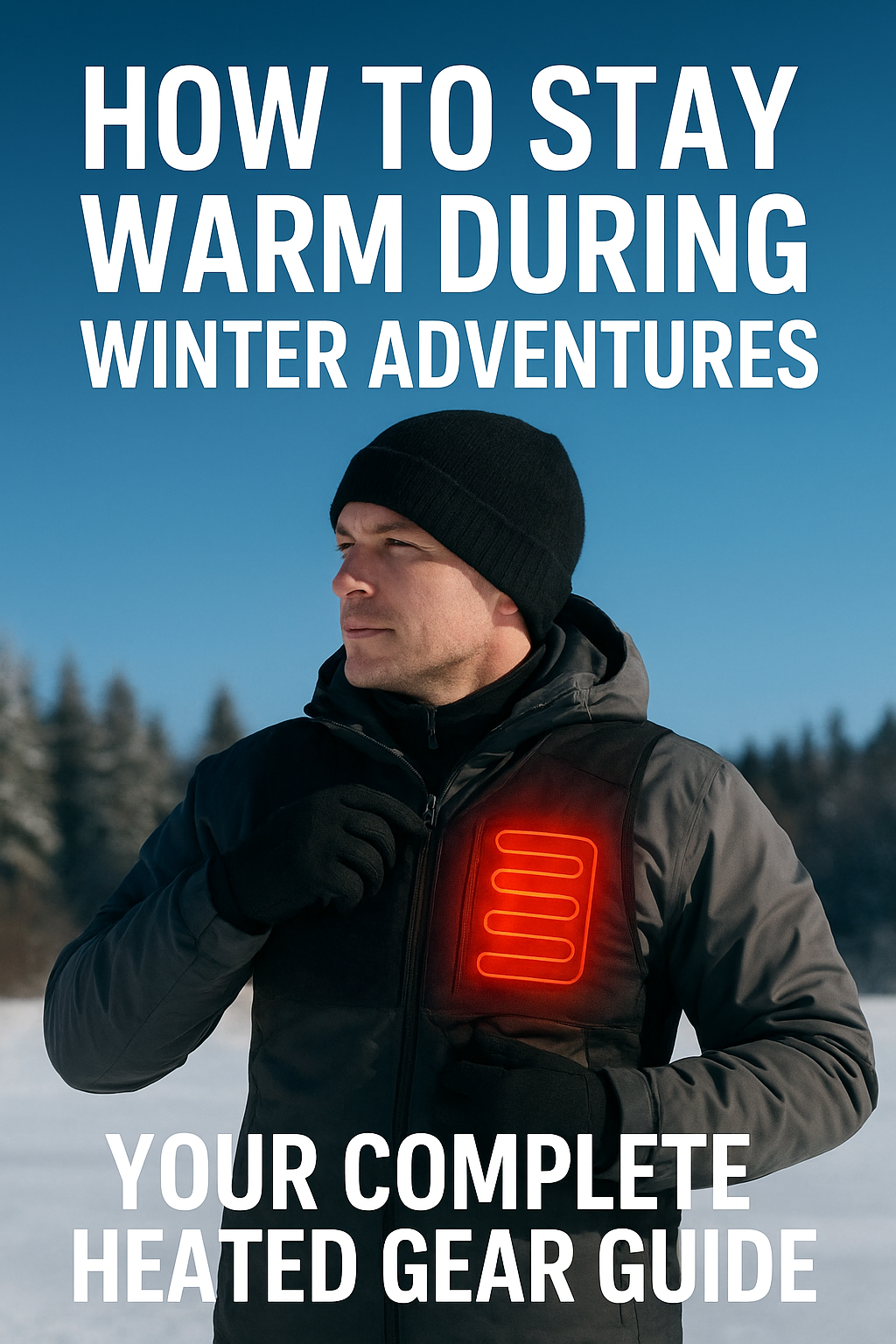
Using low-voltage heating elements powered by rechargeable batteries, heated apparel delivers warmth directly to key areas like the core, hands, and feet. Instead of hoping your body produces enough heat, heated gear actively supplements it.
This difference changes everything.
With heated gear:
-
Warmth remains consistent during rest and movement
-
Cold-sensitive areas stay protected
-
Fewer layers are required
-
Body energy is conserved
-
Comfort becomes adjustable, not reactive
Rather than adding or removing layers constantly, users can fine-tune warmth with simple temperature controls.
Mobility and Comfort: A Major Difference Outdoors
One of the biggest complaints about traditional winter clothing is bulk. Thick layers limit flexibility, reduce dexterity, and make extended outdoor sessions uncomfortable.
Heated gear allows for:
-
Slimmer layering systems
-
Better range of motion
-
Less sweating during activity
-
Faster temperature recovery after stopping
For hiking, skiing, cycling, fishing, or camping, this improved mobility directly impacts performance and enjoyment.
What Happens When You Stop Moving
This is where traditional winter clothing often fails.
During outdoor activities, your body cools rapidly once movement stops. Insulated clothing can’t generate new warmth, so body heat drops—sometimes within minutes.
Heated gear continues to provide warmth even during inactivity, making it especially useful for:
-
Fishing and hunting
-
Camping and photography
-
Chairlift rides during skiing
-
Breaks during long hikes
-
Standing in cold wind
This consistency is one of the main reasons heated gear is gaining popularity among outdoor enthusiasts.
Which Option Is Better for Winter Adventures?
Traditional winter clothing still has its place. It works well for short outings, mild cold, and high-intensity movement.
However, heated gear excels when:
-
Temperatures fluctuate
-
Wind chill is strong
-
Activity levels vary
-
Time outdoors is extended
-
Comfort and safety matter
For many people, the best setup is a hybrid system—using heated gear as a core warmth layer combined with weather-resistant outer shells.
Why More Outdoor Enthusiasts Are Choosing Heated Gear
As technology improves, heated apparel has become lighter, safer, and more reliable. It’s no longer a novelty—it’s a practical tool for winter comfort.
For anyone who spends real time outdoors in cold conditions, heated gear offers a smarter, more controlled approach to staying warm.