
Heated seat cushions have become increasingly popular for winter outdoor activities. From golf carts to camping chairs, many people rely on them to stay warm while sitting in cold conditions.
But not all heated seat cushions perform the same. Some feel warm at first but fail to provide lasting comfort, while others make a noticeable difference over extended periods.
Understanding what actually affects performance can help explain why some designs work far better than others.
How Heated Seat Cushions Work
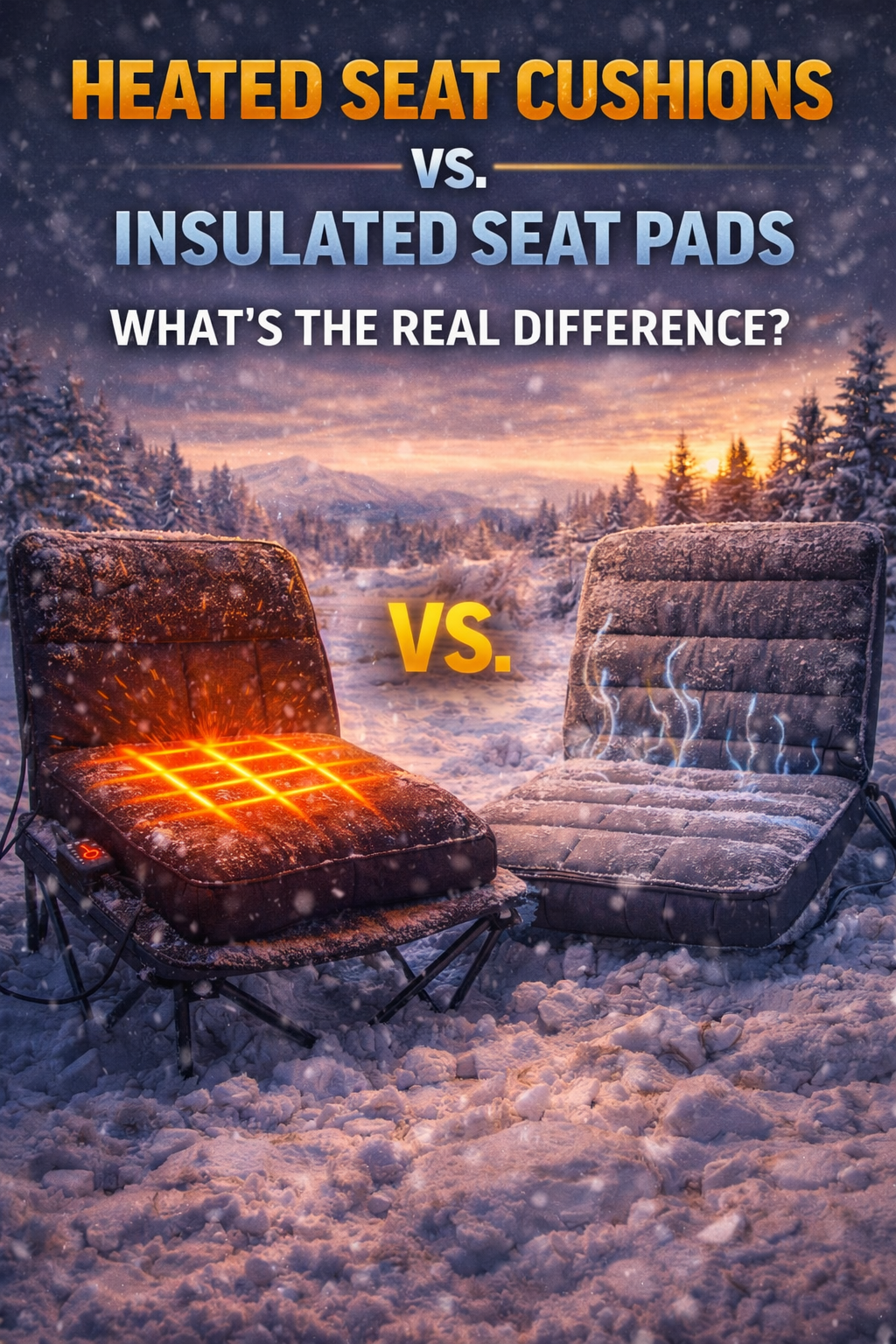
At a basic level, heated seat cushions use electric heating elements to generate warmth and transfer heat directly to the body.
Because heat loss while sitting mainly happens through direct contact with cold surfaces, applying warmth at the seat level is one of the most efficient ways to maintain comfort in cold environments.
However, how that heat is delivered matters more than many people realize.
Heat Output vs. Heat Distribution
One common mistake is focusing only on temperature ratings.
A cushion that produces high heat but distributes it unevenly may feel uncomfortable or ineffective. On the other hand, moderate heat that is evenly distributed across the seat and lower back area often provides better long-term comfort.
Consistent heat coverage helps:
-
Prevent cold spots
-
Reduce heat loss through pressure points
-
Maintain steady warmth without overheating
Insulation Still Matters
Heating alone is not enough.
Without proper insulation, generated heat can escape downward into cold surfaces instead of warming the user. High-performing heated seat cushions combine active heating with insulating layers that reflect warmth back toward the body.
This combination significantly improves efficiency and battery performance.
Power Source and Runtime
Battery capacity plays a critical role in real-world usability.
For outdoor activities that last several hours — such as golf rounds, camping sessions, or sporting events — longer runtime at lower heat levels often matters more than maximum heat output.
A well-designed system balances:
-
Battery size
-
Heating efficiency
-
Weight and portability
Comfort and Fit Make a Bigger Difference Than Expected
Beyond heat, comfort determines whether a heated seat cushion is actually usable.
Factors such as:
-
Cushion thickness
-
Ergonomic shaping
-
Secure attachment to chairs or carts
All influence how effective the cushion feels over time. Poor fit can reduce heat transfer and cause discomfort, even if the heating system itself is powerful.
When Heated Seat Cushions Make the Most Sense
Heated seat cushions are particularly effective for:
-
Winter golf and golf cart riding
-
Ice fishing and cold shoreline fishing
-
Camping and campfire seating
-
Stadium seating and outdoor events
-
Tailgating and long outdoor gatherings
In these situations, providing warmth directly where heat loss is greatest delivers the most noticeable benefit.
Choosing the Right Heated Seat Cushion for Outdoor Use
Rather than focusing on marketing claims, experienced users look for:
-
Even heat distribution
-
Insulated construction
-
Practical battery runtime
-
Comfort during extended sitting
For outdoor environments, solutions designed specifically for cold, stationary use tend to perform far better than generic heated seating products.
To explore an example of a heated seat solution built specifically for winter outdoor conditions, you can find more details here.
👉https://outdoorlitegear.com/products/liteguest-heated-golf-cushion-winter
Heated seat cushions are not all created equal.
Understanding how heat distribution, insulation, battery efficiency, and comfort work together helps explain why certain designs stand out during winter outdoor use.
When chosen correctly, a well-designed heated seat cushion can dramatically improve comfort and extend time spent outdoors — even in cold conditions.