
Most people assume cold weather only becomes uncomfortable when temperatures drop extremely low. In reality, how cold you feel depends just as much on what you’re doing as it does on the temperature itself.
One of the biggest mistakes people make during winter outdoor activities is underestimating how much heat the body loses while sitting still.
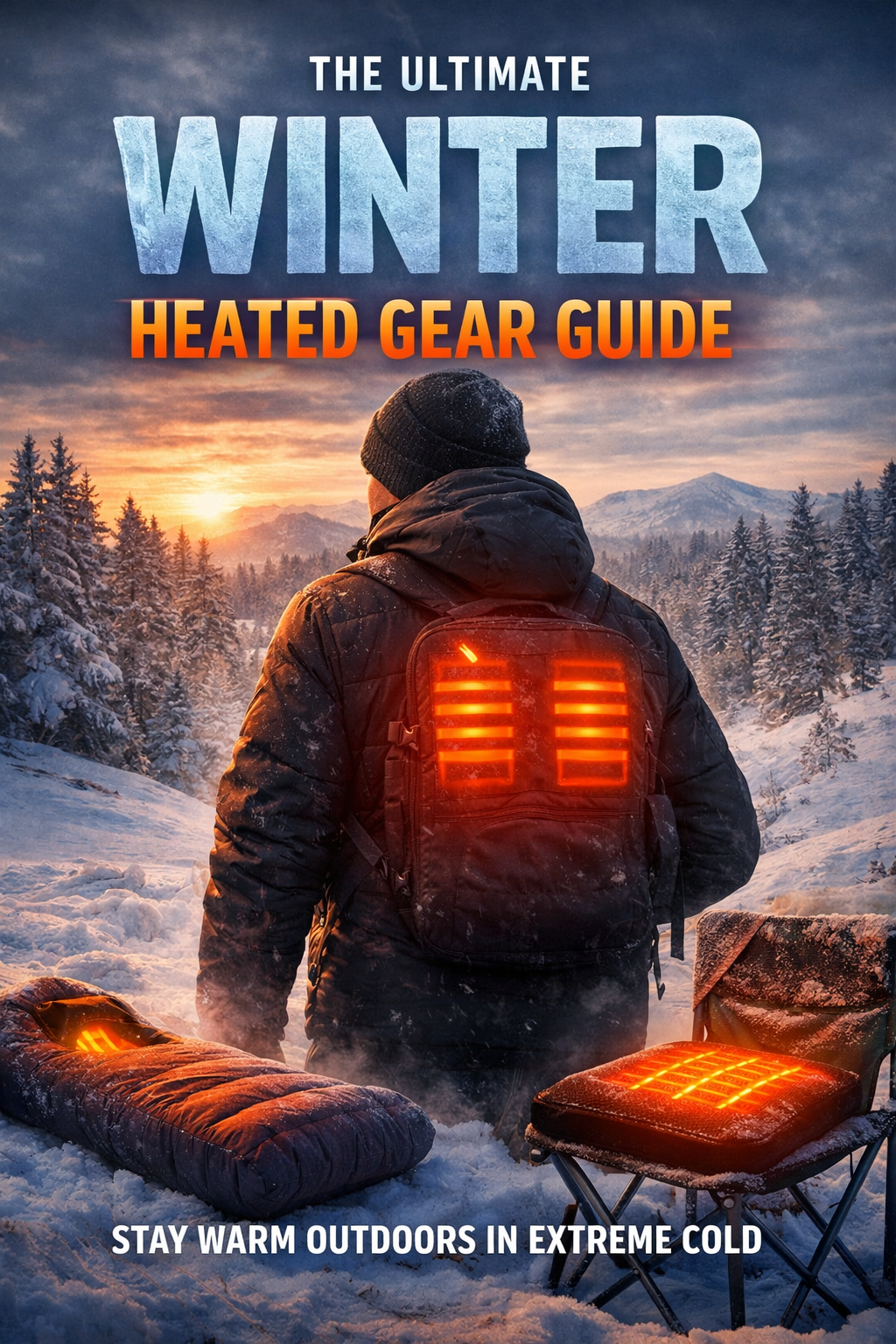
If you’re new to modern winter warming solutions, this winter heated gear guide explains how different heated options work across a wide range of outdoor activities.
👉 https://outdoorlitegear.com/blogs/liteguest-journal/winter-heated-gear-guide
Whether you’re golfing, camping, fishing, or attending outdoor events, sitting in cold conditions can feel significantly worse than staying active.
Sitting Still Stops Heat Production
When you move, your muscles generate heat. Walking, hiking, or even light movement helps maintain circulation and maintain body temperature.
But once you sit down:
-
Muscle activity drops
-
Blood circulation slows
-
Your body produces far less heat
That’s why sitting for 20 minutes in cold weather often feels colder than walking for an hour in the same conditions.
Cold Surfaces Steal Body Heat Faster Than Air
One of the most overlooked causes of cold discomfort is direct contact with cold surfaces.
Ground, benches, golf cart seats, stadium seating, and metal frames pull warmth away from your body through conduction. Even thick winter clothing struggles to fully block this type of heat loss.
This effect is most noticeable in:
-
The seat area
-
Thighs
-
Lower back
Once heat escapes from these areas, your entire body feels colder.
Wind and Moisture Make Sitting Even Worse
Sitting outdoors exposes your body to additional cold factors:
-
Wind slipping under jackets and layers
-
Snow or moisture collecting underneath
-
Compression reducing insulation effectiveness
Unlike active movement, sitting allows cold air and moisture to work continuously against your clothing system.
Why Layering Alone Often Fails
Traditional winter layering works best when:
-
You’re moving
-
Your body is actively generating heat
But during low-movement activities such as:
-
Winter golf
-
Ice fishing
-
Camping
-
Outdoor sports events
Layering alone often can’t keep up with constant heat loss from below.
How to Stay Warm While Sitting Outdoors in Winter
The most effective way to stay warm while sitting outdoors is to focus on reducing heat loss from contact surfaces.
Instead of adding more layers on top, experienced winter outdoor enthusiasts prioritize:
-
Insulating the seat area
-
Blocking cold ground and seating
-
Providing consistent warmth to the lower body
For longer outdoor sessions, many people turn to heated seat solutions designed for winter outdoor use to maintain comfort when sitting on cold surfaces.
👉 https://outdoorlitegear.com/products/liteguest-heated-golf-cushion-winter
Activities Where Sitting Warmth Matters Most
Proper seat-level warmth can make a noticeable difference during:
-
Winter golf and golf cart rides
-
Ice fishing and shoreline fishing
-
Camping and campfire time
-
Stadium seating and outdoor events
-
Tailgating and winter festivals
In these situations, staying warm from below often determines how long you can comfortably stay outside.
Cold weather discomfort isn’t just about how low the temperature drops — it’s about how your body loses heat.
If you spend time sitting outdoors in winter, focusing only on jackets and upper layers leaves a critical gap in your warmth strategy.
Addressing lower-body and seat warmth can dramatically improve comfort, extend outdoor time, and make winter activities far more enjoyable.