
Late winter outdoor games can be deceptively cold.
Even when the calendar moves toward spring, stadium environments in regions such as the Midwest U.S., Northeast states, Canada, and Northern Europe remain exposed to wind chill and low surface temperatures.
If you’ve ever searched:
-
“How to stay warm at a football game in February”
-
“Best way to keep warm in cold stadium seats”
-
“What to bring to a late winter outdoor game”
You’re not alone.
Outdoor spectators face a unique challenge: long periods of sitting still in cold, exposed seating.
Why Late Winter Stadiums Feel Colder Than Expected
1. Cold Seating Surfaces Retain Temperature
Metal and plastic bleachers hold cold temperatures much longer than air.
Even when daytime temperatures rise above freezing, shaded seating areas remain cold.
In northern cities like Chicago, Boston, Minneapolis, Toronto, or Berlin, evening games frequently drop below 40°F (4°C).
Cold contact with seating surfaces accelerates body heat loss.
2. Wind Exposure in Open Stadiums
Outdoor stadiums are designed for airflow.
Wind chill can reduce perceived temperature by 10–20 degrees, especially during night games.
Wind + sitting still = rapid heat loss.
3. Reduced Circulation While Sitting
When you sit for extended periods:
-
Blood circulation slows
-
Core warmth drops
-
Feet and lower back become cold first
This is why many spectators feel cold even when wearing heavy jackets.
What to Wear to a Late Winter Outdoor Game
Layering is essential, but layering alone is often not enough.
Base Layer
-
Moisture-wicking thermal tops
-
Insulated leggings
Mid Layer
-
Fleece or insulated hoodie
Outer Layer
-
Wind-resistant jacket
-
Waterproof shell if precipitation is expected
Accessories matter:
-
Thermal gloves
-
Insulated hat
-
Thick wool socks
However, clothing protects from ambient cold — not surface cold.
That’s where seating solutions become important.
Why Stadium Seats Make a Big Difference
Many spectators underestimate the impact of direct contact with cold bleachers.
Even a well-insulated jacket does not prevent heat transfer from below.
Cold metal bleachers in places like:
-
Midwestern football stadiums
-
Northern European open arenas
-
Outdoor high school fields
-
Early spring baseball parks
can pull heat directly from the lower body.
Portable Heating Pads: A Practical Solution
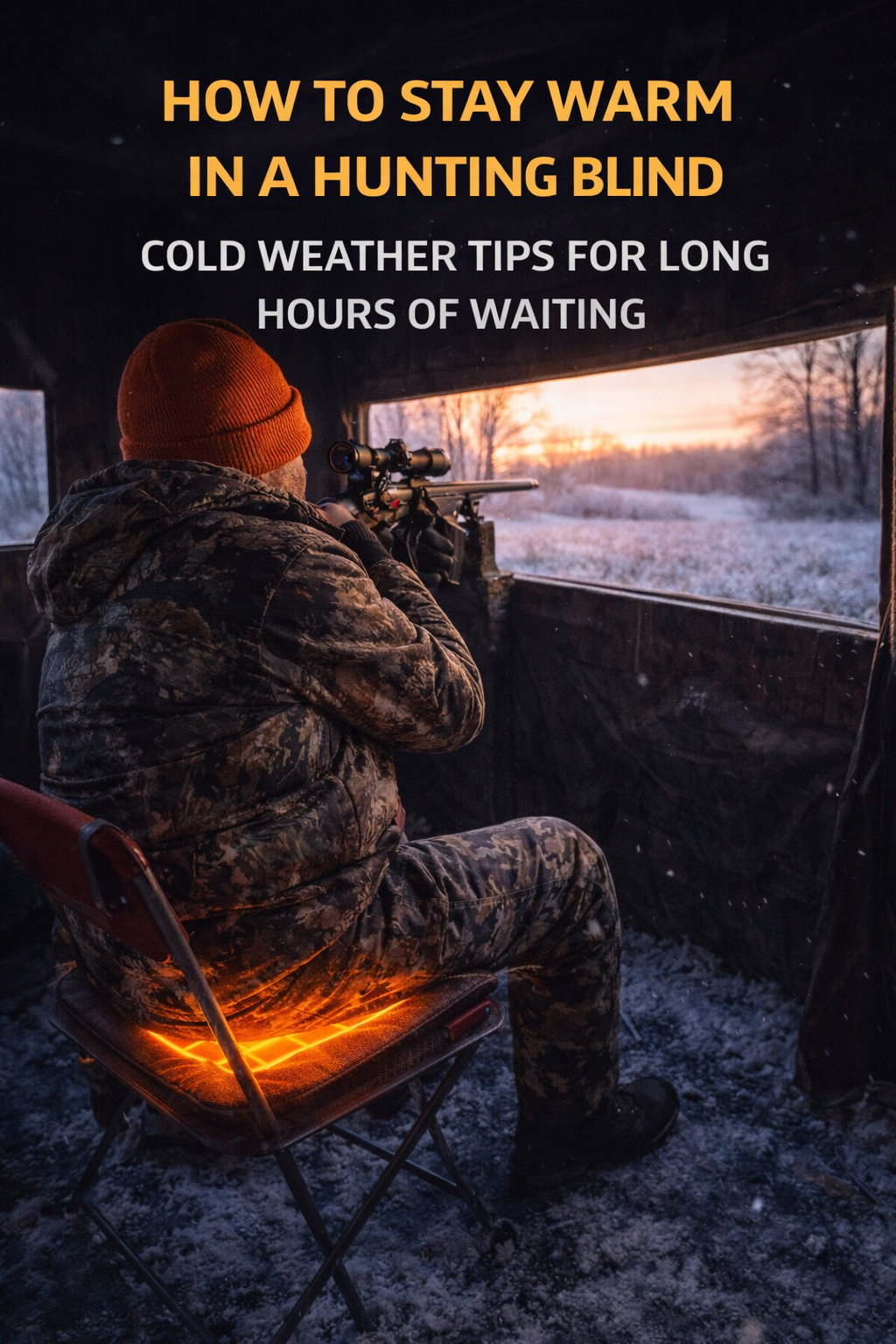
A portable stadium heating pad provides localized warmth directly between your body and the cold surface.
Benefits include:
-
Immediate heat at point of contact
-
Reduced muscle stiffness
-
Increased comfort for 2–4 hours
-
Lightweight portability
Unlike disposable hand warmers, rechargeable heating pads offer consistent heat output.
Why Late Winter Is the Most Critical Window
In December and January, spectators expect cold weather and prepare accordingly.
In late February and early March:
-
Temperatures fluctuate
-
Spectators dress lighter
-
Cold seating becomes more noticeable
This makes portable heating solutions particularly useful during the final stretch of winter events.
Combining Heating with Portable Power
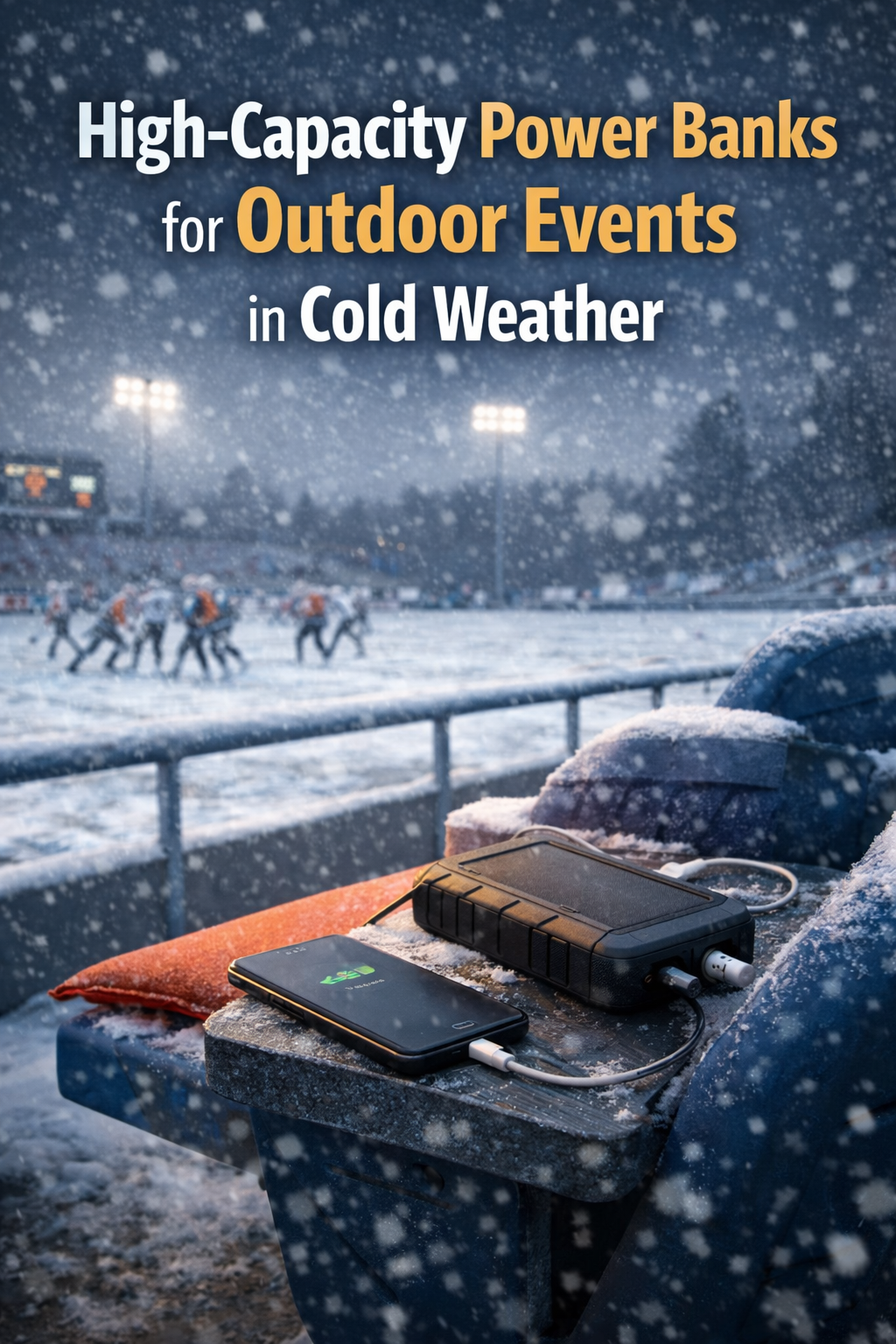
For extended outdoor events, especially double-headers or tournaments, reliable power matters.
A high-capacity waterproof power bank:
-
Extends heating runtime
-
Charges phones during cold weather
-
Provides backup power during travel
Cold weather drains battery performance.
Outdoor conditions increase power unpredictability.
Reliable portable energy ensures uninterrupted comfort.
Practical Tips for Staying Warm at Late Winter Games
-
Arrive early and choose seats with sun exposure when possible.
-
Bring a seat barrier (cushion or heating pad).
-
Keep your feet insulated from concrete.
-
Use rechargeable heating rather than disposable solutions.
-
Maintain device battery levels for emergencies.
Best Outdoor Games That Still Experience Cold Weather in Late Winter
Common examples include:
-
NFL playoff games
-
College basketball outdoor tournaments
-
Early-season baseball games
-
High school football championships
-
Regional soccer matches in Northern climates
Even in late winter, these events can remain uncomfortable without proper preparation.
FAQs
Is it still cold at football games in February?
Yes. In northern states and colder climates, February games frequently occur in sub-40°F temperatures, especially during evening events.
How do you stay warm sitting on metal bleachers?
Use insulated seat cushions or portable heating pads to prevent direct heat loss from cold surfaces.
Do heating pads work outdoors?
Rechargeable heating pads designed for outdoor use provide direct warmth and are effective when layered with proper clothing.
Does cold weather drain power banks?
Yes. Low temperatures reduce battery efficiency. High-capacity power banks with weather-resistant design perform more reliably outdoors.
Late winter outdoor games require more preparation than many spectators expect.
While heavy jackets protect against air temperature, surface cold and wind exposure remain the biggest comfort challenges.
Portable heating solutions combined with reliable outdoor power provide a simple, effective strategy to improve the spectator experience during the final stretch of winter.
Comfort does not end when winter begins to fade — and smart preparation ensures you enjoy the game from start to finish.