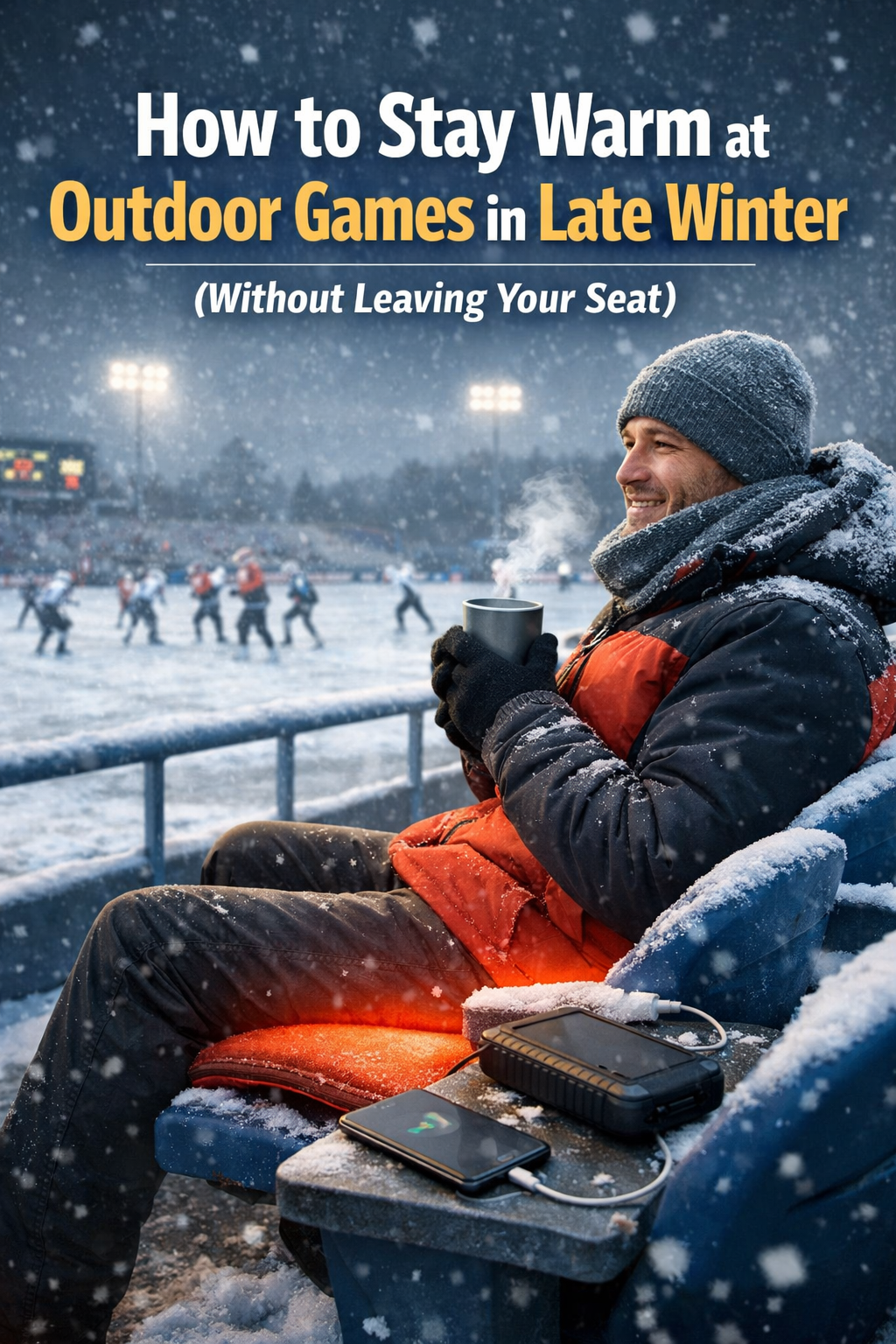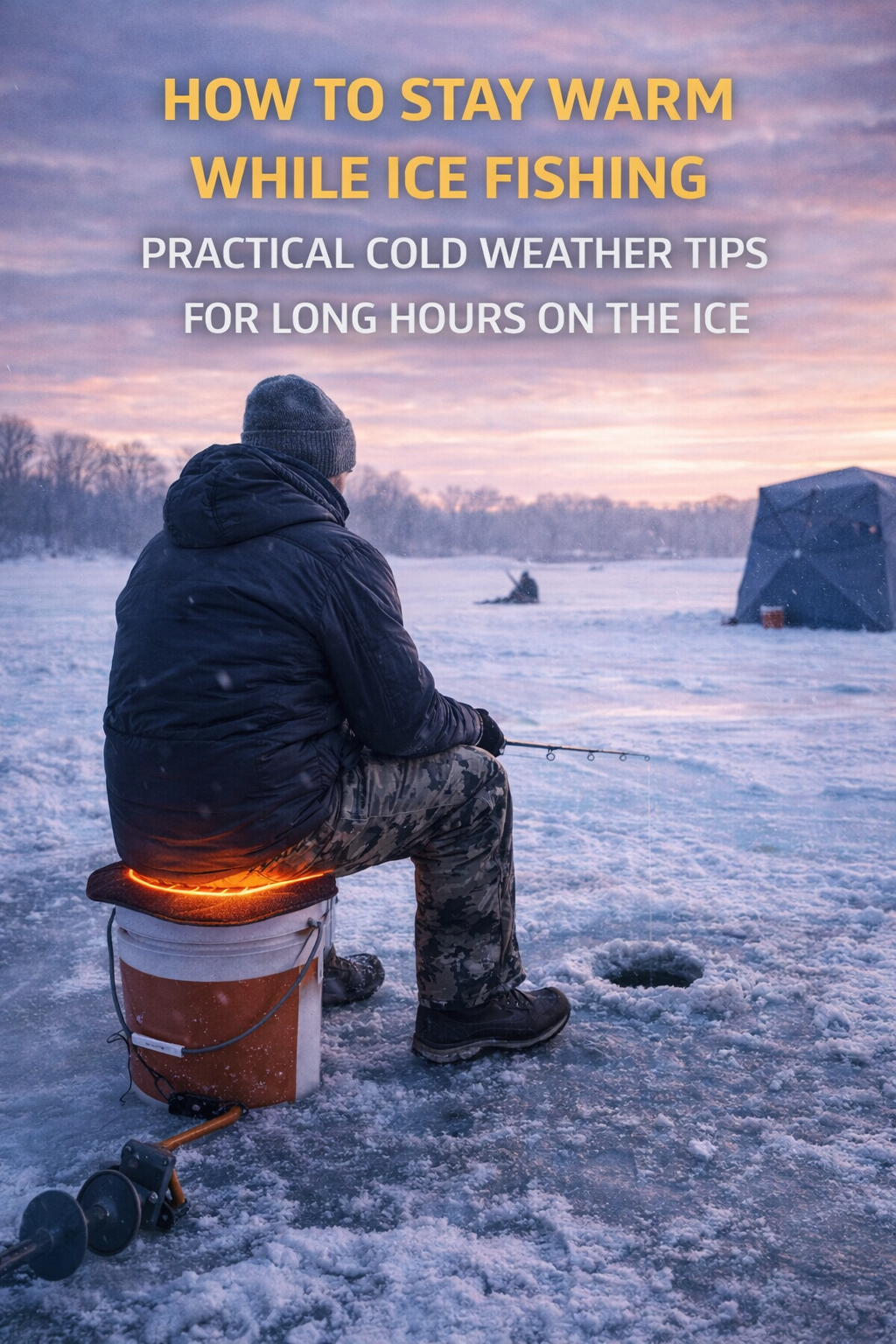

Late-season hunting in the United States often means cold mornings, frozen ground, and long hours of waiting inside a hunting blind.
Unlike active outdoor sports, hunting requires stillness. Remaining quiet and motionless increases the chances of success — but it also increases heat loss.
Many hunters are surprised by how quickly the cold sets in once they stop moving.
Why hunting blinds feel colder over time
Even when a blind blocks wind, cold air gradually lowers the surrounding temperature. More importantly, hunters often sit on uninsulated chairs, buckets, or directly above frozen ground.
Cold transfers upward from the ground and through the seat.
Because movement is limited, blood circulation slows, and the body generates less heat.
This combination — ground contact plus inactivity — makes long sits especially uncomfortable during late fall and winter seasons.
Why layering alone isn’t always enough
Most hunters dress appropriately for cold weather: insulated jackets, thermal base layers, gloves, and boots.
However, clothing primarily protects against cold air exposure.
It does not fully prevent heat loss from below.
When the lower body and core begin to cool, overall warmth declines. Fingers stiffen, reaction time slows, and focus becomes harder to maintain — all of which can affect performance in the field.
Practical ways hunters stay warm in a blind
Experienced hunters focus on reducing heat transfer from the ground and maintaining circulation throughout long waits.
Common strategies include:
-
Using insulated or elevated seating instead of direct ground contact
-
Placing a barrier between the seat and cold surfaces
-
Standing briefly when safe to restore circulation
-
Minimizing exposed skin when adjusting gear
These adjustments help preserve body heat without creating unnecessary movement that could disturb wildlife.
Comfort improves patience and awareness
Hunting often requires hours of quiet observation.
When the body remains warm, hunters can stay patient, alert, and ready.
Understanding how heat escapes — especially while sitting still — allows hunters to extend their time outdoors safely and comfortably during cold weather seasons.