
When Layering Works — and When It Doesn’t
Layering has long been the standard approach for staying warm outdoors. Base layers trap heat, mid-layers insulate, and outer shells block wind and moisture. For mild cold and short activities, this system works well.
However, layering relies entirely on your body generating enough heat. When that heat production drops, layering alone starts to fail.
This is where heated gear becomes relevant.
Sign 1: You Feel Cold Even When Fully Layered
If you’re already wearing thermal base layers, insulated jackets, and weatherproof shells—but still feel cold—this is a clear sign that insulation alone isn’t solving the problem.
This often happens during:
-
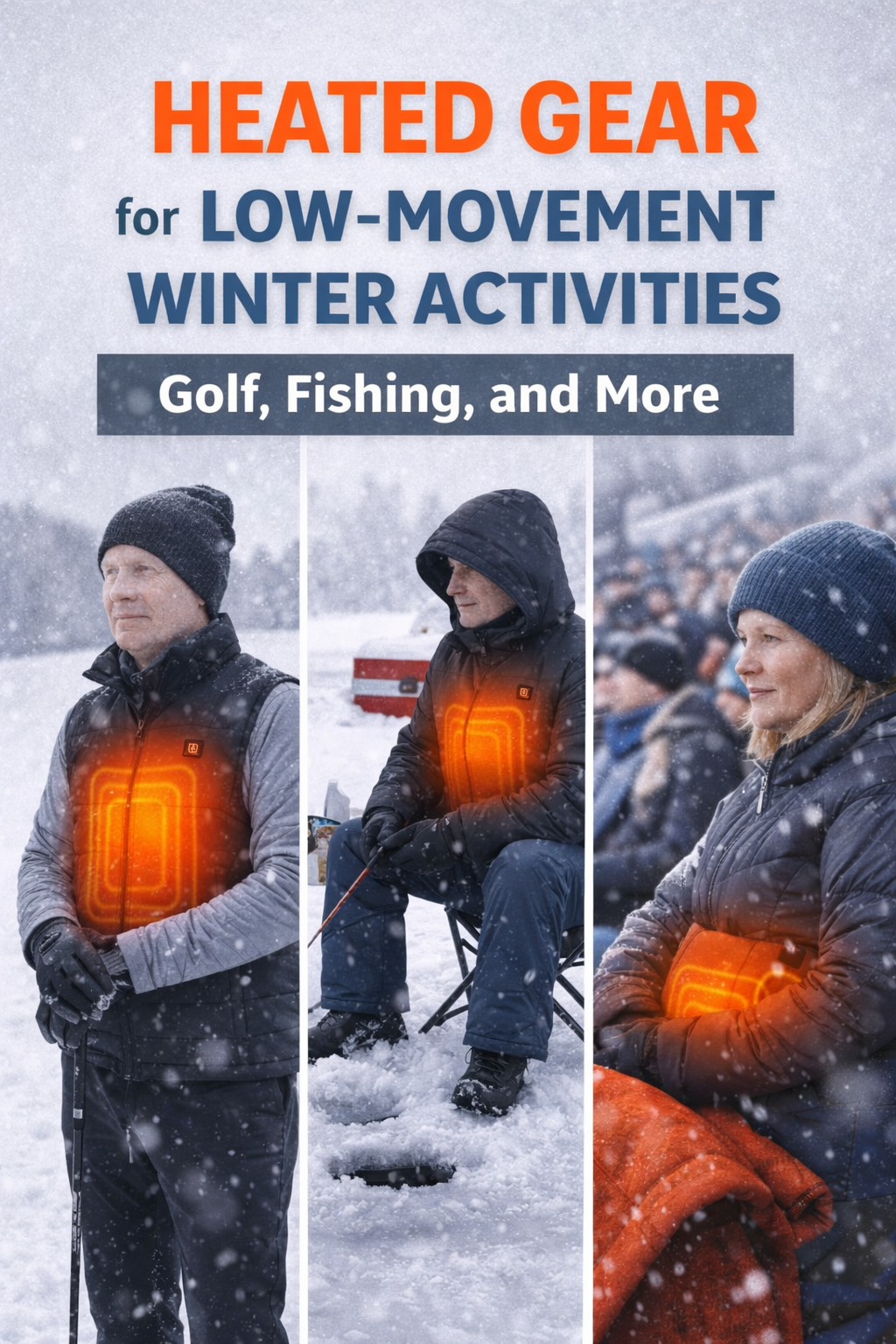
Long periods of standing or sitting
-
Cold, windy conditions
-
Activities with low movement
Heated gear adds active warmth, supplementing what your body can no longer produce efficiently.
Sign 2: Your Extremities Go Cold First
Hands, feet, and legs are usually the first areas to lose warmth. Even with thick gloves and socks, circulation drops in cold environments.
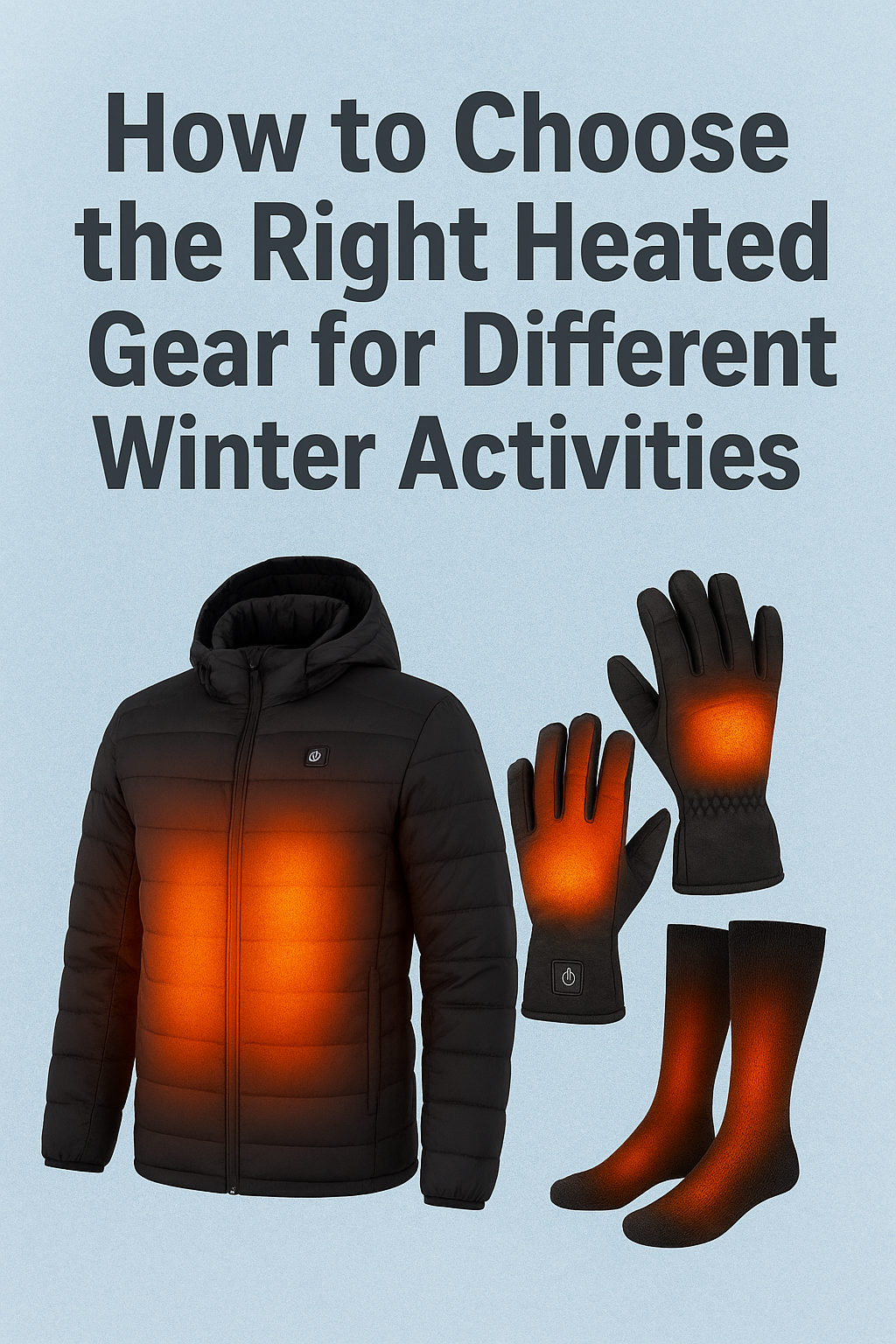
Heated gloves, socks, or pants target these areas directly, helping maintain comfort and dexterity when traditional insulation falls short.
Sign 3: You Spend Hours Outdoors in Winter
For short outdoor tasks, layering may be enough. But during extended exposure—several hours or more—heat loss accumulates.
Examples include:
-
Winter hiking
-
Ice fishing
-
Golfing in cold weather
-
Watching outdoor sports events
-
Long commutes or outdoor work
Heated gear helps stabilize body temperature over time instead of relying solely on stored warmth.
Sign 4: Cold Affects Your Performance or Focus
When you’re cold, your body prioritizes survival over performance. Reaction time slows, muscles stiffen, and concentration drops.
Active heating helps reduce:
-
Muscle tightness
-
Fatigue caused by cold stress
-
Discomfort that limits movement
This makes heated gear not just about comfort, but about function and safety.
Sign 5: You Adjust Layers Constantly Without Relief
If you’re frequently adding or removing layers but never quite feel comfortable, it’s a sign your insulation system lacks flexibility.
Heated gear allows adjustable warmth levels, giving you more precise control without bulk.
When Heated Gear May Not Be Necessary
Heated gear isn’t always required. For example:
-
Short walks in mild winter weather
-
High-intensity activities where body heat stays high
-
Indoor-outdoor transitions with limited exposure
Understanding when you don’t need heated gear builds trust and helps users make informed decisions.
Heated Gear as a Smart Upgrade, Not a Replacement
Heated gear works best with layering, not instead of it. Think of it as upgrading your system from passive insulation to temperature management.
For many winter outdoor enthusiasts, heated gear becomes worth it when:
-
Comfort impacts enjoyment
-
Cold limits activity time
-
Traditional layers reach their limits
If you recognize several of these signs, heated gear is likely worth considering. It offers a practical solution when layering alone can’t keep up with cold conditions.
As winter activities become longer, colder, or less active, the value of heated gear becomes increasingly clear.